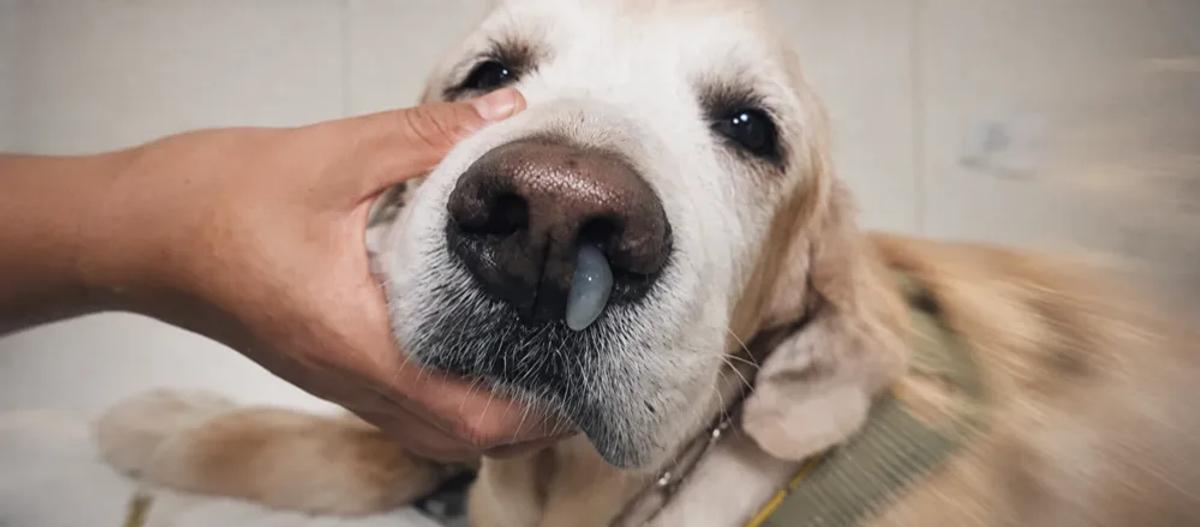
Canine distemper is a contagious viral illness that can affect a dog's respiratory, gastrointestinal and nervous systems. Signs may include fever, coughing, eye inflammation or discharge, diarrhoea and appetite loss. A vet considers the history and clinical presentation and may use laboratory methods such as PCR to investigate infection. Symptoms alone cannot confirm it.
Contact your veterinarian about concerning signs. Distemper can resemble other illnesses, and its effects are not limited to one part of the body. The care discussion needs to address the dog in front of the vet, including the symptoms and complications that require support. A description of another dog's illness cannot tell you which tests or care your dog will need.
Signs can involve several body systems
A respiratory complaint may be the first change you notice, but distemper can also involve the gut and nervous system. That wider pattern is part of why clinical assessment matters. Fever, coughing, diarrhoea and reduced appetite can occur together in different combinations, and the severity of illness varies. A dog does not have to fit a neat picture assembled from every sign on a list.
Eye changes can be part of the presentation too. Tell the vet about discharge or inflammation you have noticed, even if the appointment was prompted by a cough or gastrointestinal signs. Describe what happened without trying to decide which sign is the main one. The examination can consider their relationship.
There is overlap with other infections. The discussion of parvovirus symptoms and tests explains another illness that can involve gastrointestinal signs. That overlap is a reason for investigation, rather than a way to choose between diseases at home. Our guide to infectious dog diseases sets out how these different assessments fit together.
Nervous-system involvement belongs in the same conversation. The label “respiratory illness” does not cover every possible effect of distemper. If the vet is considering it, ask which findings support that concern and which other explanations remain under consideration. You do not need to arrive with a conclusion. A clear account of the changes you have seen gives the assessment somewhere to begin.
How exposure can happen
Distemper can spread through droplets from an infected animal's respiratory secretions. Direct contact with infected dogs or bodily fluids is another route. A vet may therefore ask about contact with other animals when taking the history. Describe the contact you know about, rather than assuming that one recent encounter must explain the illness.
A cough, sneeze or other contact can be relevant to that discussion, but an exposure story does not confirm a diagnosis. It has to be interpreted with the dog's signs and the results of any investigation. It is possible to be certain that dogs spent time together while being uncertain about whether an infection was present.
How a vet investigates distemper
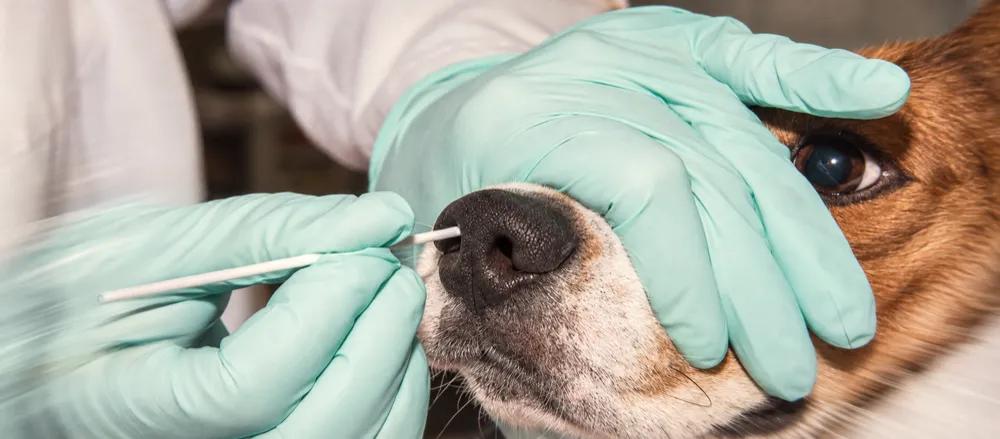
The investigation begins with the history and clinical presentation. Because signs can resemble other diseases, the vet may need laboratory evidence to work out whether distemper is involved. PCR is a molecular method used in that investigation: it looks for the virus's genetic material. It does not identify distemper by matching a dog to a photograph or symptom checklist.
Several diagnostic methods exist, and the choice belongs to the clinical assessment. A laboratory method's name is not a promise that it answers every question about the dog. Ask what the proposed test is looking for and what the veterinarian will consider alongside the result.
The vet may also investigate the dog's general health or complications associated with the illness. Tests used to look for infection and investigations used to understand its effects have different purposes. Keeping those purposes clear can make the care discussion easier to follow, particularly when more than one investigation is proposed.
What veterinary care aims to do
Distemper care focuses on managing symptoms and secondary complications. Fluid support and help with nutrition may form part of that care, depending on the dog's condition. The exact plan is a veterinary decision. These broad categories explain what care can address; they do not describe a treatment to assemble from products at home.
Ask the treating vet which problems the plan is addressing. The answer may involve more than the symptom that first prompted the appointment. A multisystem illness can require a discussion of several needs, and the care should be explained in terms of this dog's findings rather than a general promise about recovery.
Be clear about which instructions apply at home and which parts of care belong at the clinic. If an instruction is unclear, ask for the wording to be explained before trying to carry it out. A description such as “supportive care” is a broad clinical term; the veterinarian still needs to turn it into a specific plan you understand.
There is no useful recovery guarantee to borrow from another case. Keep questions about the likely course of illness with the veterinarian who has examined your dog and can explain what the current findings mean.
Prevention and contact with other dogs
Vaccination is important in preventing distemper. Your dog's prevention plan belongs with the veterinarian, and the existing guide to dog vaccination planning explains the wider vaccination discussion. Bring the available history into that conversation rather than guessing which vaccination a short label on a card refers to.
An infected dog needs to be separated from other dogs to reduce spread. Returning to public spaces requires veterinary clearance. That decision should not be replaced by a date taken from someone else's account of distemper or by the observation that a dog looks better. Ask the treating clinic to explain the contact plan for your dog.
Frequently asked questions
What symptoms can canine distemper cause?
Canine distemper can involve the respiratory, gastrointestinal and nervous systems. Fever, coughing, eye inflammation or discharge, diarrhoea and appetite loss can occur, with variation in the combination and severity. These signs overlap with other illnesses. Contact a vet about concerning changes and describe the whole presentation, including changes that seem separate from the original complaint. Laboratory investigation may be needed to establish whether distemper is involved.
How is canine distemper treated?
Veterinary care aims to manage symptoms and secondary complications. Fluid and nutritional support may be included according to the dog's needs. A general account of treatment cannot establish the right plan or predict the outcome for an individual dog. Ask the treating vet what the care is addressing, what you have been asked to do at home and how contact with other dogs should be managed.
Keep the visit record available
PetLife supports veterinary visit history and vaccination reminders. Keep the clinic's findings available for later discussions so that a follow-up starts with the recorded assessment rather than a diagnosis remembered from a conversation.