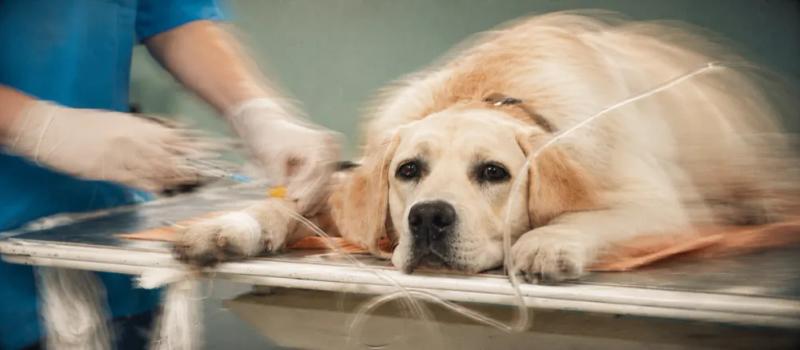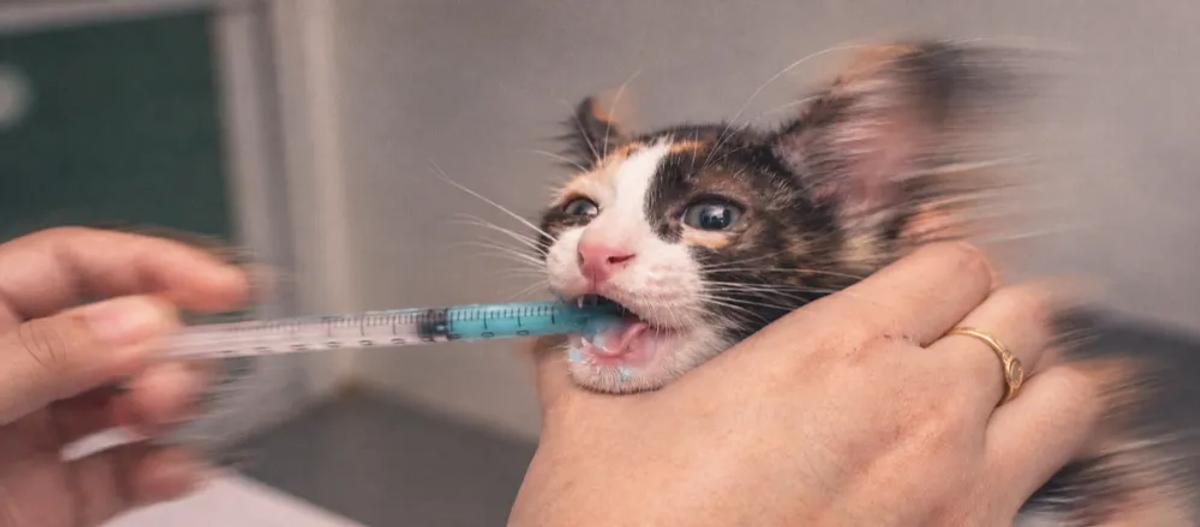
Cat deworming is care for intestinal worms, with treatment forming part of a broader prevention plan. Your vet chooses that plan around your cat's health, lifestyle and local parasite exposure. Testing has a separate role, and the instructions for a prescribed medicine need to be followed carefully. For a cat household in India, the starting point is the individual cat and their existing care, rather than a timetable copied from another pet parent's prescription. [1, 2, 5]
Bring the information you already have. That might include the cat's known age, previous instructions and a change you have noticed in the litter tray. Ask the vet what needs to happen next and which follow-up date to record.
Worms that affect cats
Roundworms, hookworms and flea tapeworms raise different questions. A rounded kitten belly, a worm in vomit and a small pale segment in poo are observations to describe to the vet. They don't establish the same infection, or tell you which treatment the cat needs. [2, 3, 4, 5]
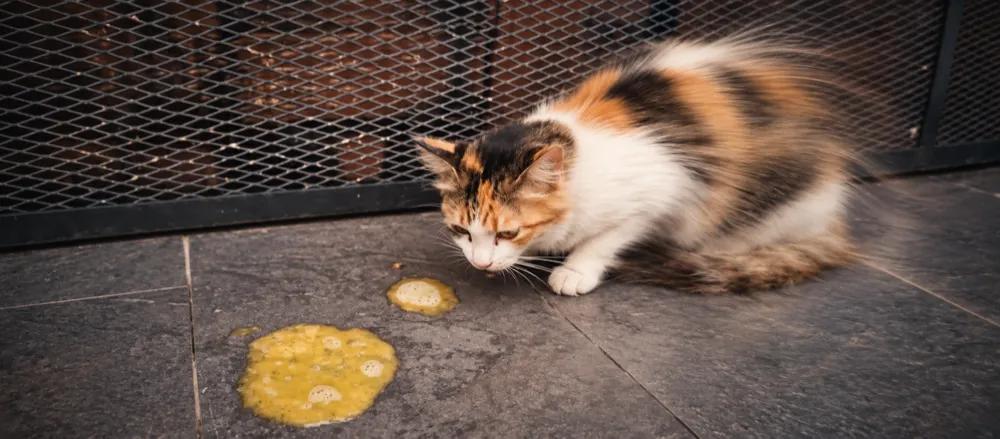
Toxocara cati is a roundworm that can cause poor growth and a pot-bellied appearance in kittens. Adult roundworms may also appear in an infected cat's vomit. Here, 'adult' describes the worm's stage; a report of adult worms should not be confused with a statement that only adult cats are affected. [2, 5]
Hookworms can cause severe illness. The feline hookworm Ancylostoma tubaeforme can cause anaemia, diarrhoea and weight loss in kittens, and heavy infections can be fatal. Severe blood loss can also produce black, tarry stool. These changes need veterinary assessment. Tell the clinic what you have seen when asking for care. [3, 5]
Flea tapeworms belong to a different group. Their segments can be visible in poo or around a cat's rear. Dipylidium segments are described as somewhat like cucumber seeds; general descriptions of tapeworm segments also compare fresh ones to rice grains and dry ones to sesame seeds. Those comparisons help describe an observation, but appearance alone cannot confirm the species. [4, 5]
Our guide to flea tapeworms in cats covers Dipylidium specifically, including its connection with fleas. Keeping that species boundary clear matters when discussing how the infection was acquired or how to prevent another one. [4, 5]
How exposure happens
A cat acquires Dipylidium by swallowing an infected flea or louse during grooming. The swallowed insect carries the infection. This is why flea care belongs in the discussion even when the concern that brought you to the vet was a segment in the litter tray. [4, 5]
Maternal transmission needs a different explanation. For Toxocara cati, passage through the mother's milk appears to occur when the mother becomes infected while she is nursing. [2, 5]
Transmission across the placenta has not been demonstrated for Toxocara cati or Toxascaris leonina. Toxascaris leonina also does not pass through the mother's milk. A general statement that a mother passes worms to kittens leaves out distinctions that affect how the vet understands the situation. [2, 5]
The environment is another part of prevention. Promptly removing cat poo helps prevent roundworm eggs from remaining in the surroundings as waste breaks down or spreads. Keeping cats indoors limits hunting exposure. Describe your cat's actual routine to the vet, including outdoor access, so the prevention discussion reflects the household you have. [1, 2, 5]
Testing and signs
A cat can have a roundworm infection without obvious signs at any age. Looking well therefore cannot establish parasite status. On the other hand, poor growth or vomiting cannot establish that worms are the cause. Testing and the cat's history give the vet information beyond what a pet parent can see. [1, 2, 5]
Current general guidance recommends at least four stool examinations during the first year and at least two a year for healthy adults, with frequency adjusted for health and lifestyle. These are examination dates. Keep them distinct from the dates on which a prescribed treatment is given, and ask which testing plan applies to your cat. [1, 2]
A negative result also needs context. For Dipylidium, a stool flotation sample can miss infection. One 2015 study examined 116 adult shelter cats in northeastern Oklahoma; centrifugal flotation using a sugar solution detected none of the 40 Dipylidium infections confirmed in those cats. That result describes that study population and method, not the accuracy of every parasite test or infection rates in India. [4, 6]
Tell the vet about visible segments even if a sample has already been examined. The symptoms of worms in cats guide separates the observations associated with different worms and explains why a symptom list cannot identify the cause on its own. [2, 4, 5, 6]
Building the prevention plan
The general guidance favours year-round broad-spectrum parasite control. Its feline roundworm recommendations also describe regular products with activity against those worms. The vet needs to connect that guidance to the cat's circumstances and the actual prescribed treatment. A broad prevention recommendation does not specify an individual medicine or dose. [1, 2, 5]
A different timetable is given only if year-round broad-spectrum parasite control cannot be maintained. Under that condition, the guideline includes an adult alternative of four treatments yearly, alongside an appropriate stool-testing programme. Without it, the same number can look like a default instruction for every cat. [1]
The cat deworming schedule article sets out those timing distinctions in more detail. Use it to prepare a focused question about the current plan: which recommendation is the vet following, and how does the prescribed treatment fit it? Keep the answer with the existing instructions. [1, 2]
Kittens need their own early plan. The general guideline begins deworming at two weeks and repeats it every two weeks until regular broad-spectrum control starts. These are guideline intervals for discussion with the vet, who selects the individual treatment instructions. Our guide to deworming kittens covers that starting period and the transition to ongoing care. [1, 2, 5]
Following prescribed treatment
Gastrointestinal parasite treatment often involves medication prescribed by a vet. Follow the directions supplied with that treatment. If you want to give it at home, ask whether home use is suitable and have the clinic clarify anything you cannot follow confidently. [5]
Make the uncertainty specific. You might need to ask which existing instruction still applies, what follow-up has been requested or where to record that the treatment was given. These are practical questions about the plan already chosen for your cat.
If more than one person looks after the cat, agree who will keep the current instructions and record completion. Someone taking over care should be able to find the same information you are using. This is a household organisation step; the prescription itself still comes from the vet. [5]
Reducing reinfection
Dipylidium treatment needs to be combined with appropriate flea control, or louse treatment where fleas are rare. Without that part of care, reinfection is likely. Ask how the prescribed worm treatment and the relevant insect-control plan fit together, so that the flea connection is addressed alongside the intestinal infection. [4, 5]
For roundworms, prompt poo removal helps stop eggs remaining in the environment. Remove waste from the litter box and any other place the cat has soiled. Keeping cats indoors also limits hunting exposure. These measures address exposure around the cat as part of ongoing parasite control. [2, 5]
Common disinfectants are ineffective against roundworm eggs. A freshly washed box should not be treated as proof that any eggs have been destroyed. Keep prompt waste removal as a distinct part of the routine instead of relying on a disinfectant claim. [2]
Avoid handling animal waste with bare hands, and wash your hands immediately after accidental contact. If household members share litter-box care, keep that instruction with the cleaning routine. [1]
Keeping the care record
Keep the agreed follow-up date beside the existing instructions and your observations. PetLife supports weight logs and vet-visit history; PetID links medical documents and vaccination history to your pet's digital identity. You can use the relevant record when referring back to an appointment or handing information to another family member. Ask the clinic to clarify any remaining uncertainty about the treatment, then record the plan the household will follow. [5]
Questions about cat deworming
What is cat deworming?
It is care for intestinal worms within a wider parasite-prevention plan. Treatment often uses vet-prescribed medication, while ongoing planning takes account of the cat's health, lifestyle and local exposure. The vet connects general prevention guidance to the treatment instructions for that individual cat. [1, 2, 5]
Can I deworm my cat at home?
Ask your vet whether the prescribed treatment is suitable for use at home and follow the instructions they provide. If any part is unclear, ask the clinic to explain it before trying to carry it out. Keep the current instructions available to anyone else involved in the cat's care. [1, 5]
Sources
- Companion Animal Parasite Council: General guidelines
- Companion Animal Parasite Council: Ascarid guidance, feline sections
- Companion Animal Parasite Council: Hookworm guidance, feline sections
- Companion Animal Parasite Council: Dipylidium caninum
- Cornell Feline Health Center: Gastrointestinal parasites of cats
- Little et al. (2015), Journal of the American Animal Hospital Association: High Prevalence of Covert Infection With Gastrointestinal Helminths in Cats, PubMed abstract