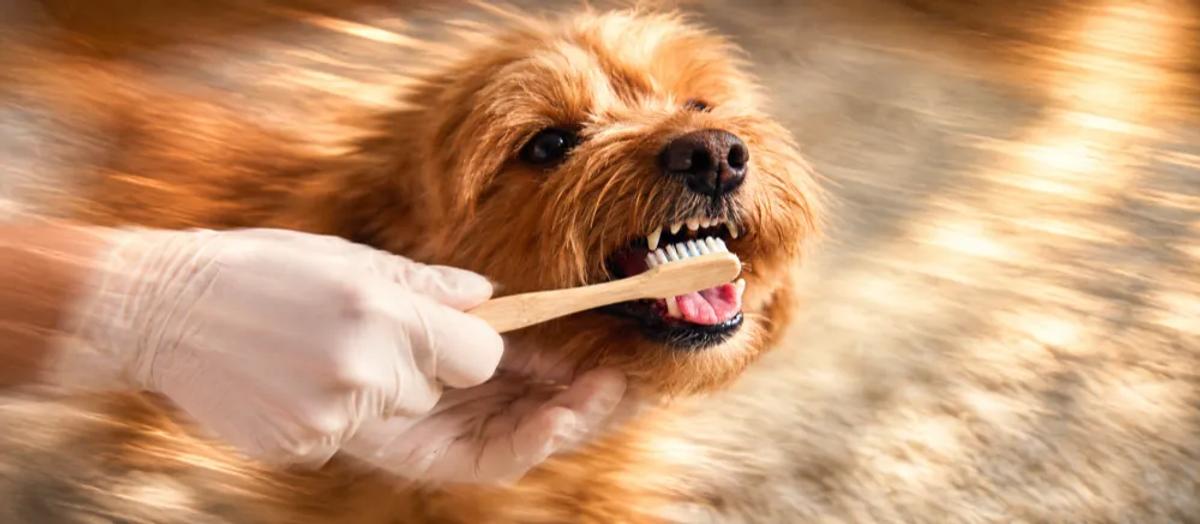
Dog dental care combines regular plaque removal at home with veterinary examination and treatment when needed. Daily toothbrushing is the ideal home-care target, once your dog is comfortable with handling and your vet has addressed any painful mouth problems. Professional dental care includes examining the mouth and cleaning below the gumline under general anaesthesia.
For pet parents in India, start by asking your local clinic what a dental appointment involves. You can explain what you've noticed at home and where you need help with brushing. Keep those questions with any previous dental records, so the vet can discuss them with you during the examination.
Plaque and gum health
Plaque is a film of bacteria that forms on teeth. It plays a central role in periodontal disease, which affects the gums and the tissues supporting the teeth. Inflammation can extend beneath the gumline and damage those tissues, as the explanation of plaque and gum damage describes.
Gingivitis is inflammation confined to the gums. With appropriate professional care and consistent home care, it can be reversed. Periodontitis involves deeper supporting tissues, including bone, and ordinary brushing cannot replace bone that has been lost. The guideline discusses advanced regenerative surgery as an exception to the limits of reversing bone loss. Treatment decisions belong with the vet examining the mouth.
A home routine has limits once disease is established. Brushing helps control plaque, while a mouth with established disease needs a professional assessment of the affected tissues. Buying a brush is a useful step, but it doesn't tell you whether disease is already present or what treatment is needed. The guide to gum disease in dogs explains those differences and how vets assess the stages.
The visible amount of tartar is also an incomplete guide to gum health. Gum inflammation can occur without obvious tartar, and a heavy visible deposit doesn't by itself describe the condition of every tooth. The clinical guidance on outward signs recommends assessing inflammation when deciding whether professional care is needed.
Dental care at home
Toothbrushing is the most effective method of home plaque control, with veterinary home-care guidance supporting the same advice. Once a day is the ideal frequency. You can work towards that goal gradually as your dog accepts handling; a full brushing session may be difficult at first.
Start gently. If your dog isn't used to handling around the lips, begin with the small, comfortable steps your vet demonstrates. Introduce brushing gradually, with consistency and rewards. The brushing walkthrough describes progressing from accepted handling to a brush. Forcing the process can make it counterproductive, and handling near a dog's mouth carries a bite risk.
If an attempt becomes difficult, stop and discuss it with your vet. An inflamed or painful mouth can make brushing uncomfortable; the advice on pre-existing gum inflammation also warns that brushing can add to discomfort. Describe what your dog accepts and what prompts them to pull away, so the vet can help you choose a safe next step.
For the practical sequence, use how to brush your dog's teeth. It covers introducing the brush and working along the accessible outer tooth surfaces. If you want broader reading about reward-based handling, the existing guide to dog training in India provides that context; the dental instructions here come from veterinary sources.
At home, decide who will offer the brushing practice and how you will keep track of what your dog currently accepts. A note might say that lip handling was comfortable but introducing the brush was difficult. Take the note to the appointment and ask the vet to show you how to handle that particular difficulty.
Chews and other passive dental-care products may form part of a plan, particularly when brushing is difficult. Passive home care belongs alongside professional dental care, and the home-care overview discusses additional options with precautions. Ask your vet which options suit your dog and how they fit with brushing and treatment before choosing a product.
Very hard chews can fracture teeth, a risk also discussed in veterinary chewing advice. A harder object doesn't necessarily belong in your dog's care routine. Before buying something for dental care, take its details to your vet and ask whether it suits your dog's mouth and the treatment already planned.
Changes to discuss with your vet
Bad breath, bleeding from the mouth and changes in eating deserve a veterinary conversation. Red or swollen gums may accompany inflammation, while drooling is another change to discuss with the clinic. Tell the team what you have noticed when arranging the visit, even if you don't know whether the changes are connected.
Eating normally doesn't rule out pain. Dogs can continue eating despite dental discomfort, so finishing a meal is not enough to conclude that the mouth is healthy. Other dogs may change how they chew, drop food or become less willing to play with objects they previously enjoyed. Normal appetite is still something to report alongside any changes.
Describe what you actually notice. You might report that your dog has begun chewing on one side, that there was blood in the water bowl, or that handling near the mouth has become difficult. These are among the observations listed in the dental-pain guidance above. You can report them in those words; you do not need to identify the disease causing them.
You can also note when the change became apparent and whether anyone else at home noticed it. Bring that information even if you are unsure which details matter. If the problem involves odour, the article on bad breath in dogs explains what to observe and what a vet visit may involve.
Keep observation comfortable. Forcing home care can be counterproductive, and working near the mouth carries a bite risk. If your dog resists, tell the clinic what happened. You can ask how the team wants you to proceed without holding the mouth open to obtain a closer look.

Professional dental cleaning
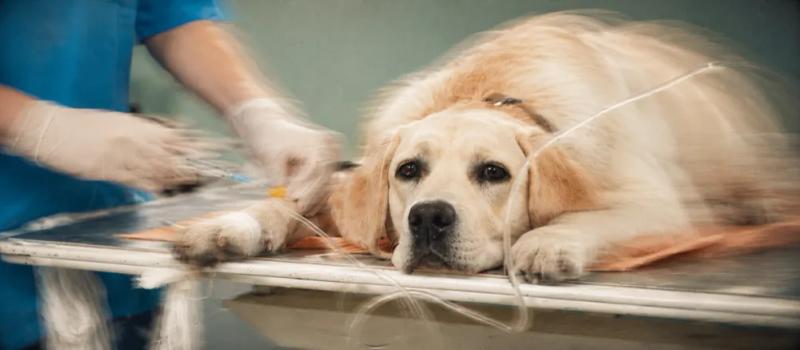
A veterinary dental appointment begins with your dog's history and an examination. Those findings help the team plan further care, including an individual assessment of anaesthetic risk. The description of a dental appointment explains how this preparation leads into a discussion of the initial findings and proposed treatment.
A thorough dental examination and professional cleaning require general anaesthesia. This allows the team to examine the mouth in detail, protect the airway and monitor the dog during the procedure. The overview of professional care describes the examination and cleaning carried out while the dog is anaesthetised.
This is also why removing visible deposits from an awake dog's teeth cannot provide the same assessment and treatment. Professional periodontal care includes cleaning below the gumline. Cleaning only the visible surfaces is insufficient for treating periodontal disease, even if the teeth look cleaner afterwards.
Anaesthesia needs an individual discussion. Ask the vet how your dog's health and history affect the plan, what preparation to follow and how the team will monitor your dog. Assessment of risk factors helps the vet adjust the anaesthetic protocol for the individual patient. Get the preparation instructions directly from the treating team.
Dental X-rays help investigate disease and inform treatment decisions. The guidance recommends imaging of abnormal areas when available and discusses the value of full-mouth radiographs; the professional-care overview explains their role in a thorough assessment. Confirm the clinic's imaging arrangements and ask how the vet will investigate areas that cannot be assessed fully during an awake look.
You can read more about the appointment in dog teeth cleaning at the vet. It includes questions to ask before the procedure and before going home. Keep any you want to discuss with your appointment notes, and ask the clinic how they apply to your dog.
Planning a vet visit
When contacting a clinic in India, explain that you would like an examination for a dental concern and describe what you have noticed. Ask what the first appointment involves and whether further dental assessment would be arranged separately.
Bring details of previous dental treatment and the information the clinic requests about your dog's health and medicines. The anaesthetic planning guidance, supported by the veterinary appointment overview, places history and examination within preparation for treatment. Ask the clinic for its own instructions before the visit, including any instructions that depend on whether a procedure is planned.
You can write down a few questions in advance:
- What can you assess during today's examination, and what would require an examination under anaesthesia?
- What dental imaging is available, and how would you arrange further assessment if needed?
- How will you discuss findings and treatment decisions with me?
- What should I do at home after treatment, and when should I contact you again?
Discuss the answers with the vet who will examine your dog and plan the care. Treatment planning includes examination findings and the home-care plan. The recovery guidance describes discharge instructions and follow-up, while the advice after treatment directs pet parents to follow their vet's recommendations when restarting care. Ask for the instructions in a form you can refer to later.
Keep your notes together. PetLife includes vet-visit history, which gives you a place to maintain that record as appointments and advice accumulate. Before the next visit, review what you want to ask and check which records the clinic wants you to bring.
Common questions
What dental care can I do at home?
Regular toothbrushing is the most effective home method of plaque control, and other dental-care options can be discussed with your vet as part of the same plan. Home care sits alongside professional examination and treatment, as described in the dental guideline and veterinary home-care advice. If your dog has had treatment, follow the treating vet's instructions about restarting brushing.
How often should I brush my dog's teeth?
Once a day is the ideal target in the dental guideline, supported by the veterinary advice on daily brushing. Build towards that routine through comfortable, gradual handling, and seek advice if pain or resistance makes it difficult. The brushing guide explains the introduction in more detail.
Keep the visit record
Keep your dog's vet-visit history in PetLife. At the next dental examination, bring the records the clinic has requested and ask about any instructions you found difficult to follow at home.