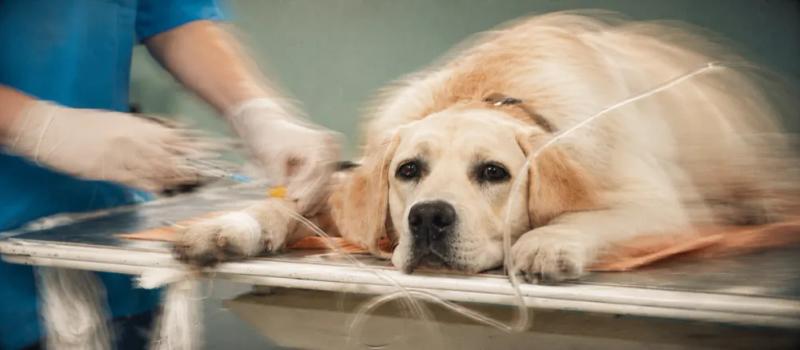
Dog neutering usually means removing a male dog's testicles, an operation called castration or orchiectomy. It prevents reproduction and removes the main source of male reproductive hormones. Vets may also use neutering more broadly, so our guide to spaying and neutering explained covers the terminology across both sexes.
The decision about timing belongs to the individual dog. His breed, age, health history, body condition and lifestyle all matter, as does the reason you are considering surgery.
What the procedure changes
In a usual male-dog castration, the testes are removed. The surgical approach depends on the dog's anatomy and the clinical plan. Orchiectomy is the medical name for the removal; it does not describe one identical incision or approach for every patient. Ask the vet to explain the proposed operation in words you understand.
Castration differs from vasectomy. A vasectomy involves the tubes that transport sperm from the testes, while the testes themselves remain. Castration removes the testes. Both may appear in a discussion about reproductive control, but preserving the gonads has a different hormonal meaning from removing them.
This distinction matters when comparing advice. An explanation about a hormone-preserving procedure cannot establish what to expect after gonad removal. Equally, information about castration does not describe every consequence of a vasectomy. Name the procedure first, then discuss its purpose and the individual considerations with the vet.
Ask whether the proposed method removes the testes and how that addresses the reason you’re considering surgery. Availability also needs checking with the clinic. Understanding the terms gives you a starting point for discussing its recommendation.
Female dogs have different reproductive anatomy and surgery. If you are looking for care of a female dog, the guide to spaying a female dog explains ovary removal and the related recovery discussion.
Retained testicles
A retained testicle changes the assessment. Retained testes have an increased risk of developing tumours and need veterinary management. The finding needs to be part of the surgical assessment.
If the vet identifies a retained testicle, ask how that finding affects the surgical plan. Do not assume an account of another dog's operation describes the procedure your dog needs. The vet's assessment establishes the relevant anatomy and the approach to it.
Before consenting, check that you understand how the retained testicle will be managed. The operation’s general name may stay the same even though this finding changes the assessment.
Deciding when to neuter
There is no single age recommendation that fits every dog. A vet weighs the purpose of neutering against the dog's breed, sex, age, health and circumstances. Body condition and lifestyle also form part of that assessment. An age offered without those details cannot fully explain the decision for an individual animal.
Possible longer-term concerns include weight and associations with joint disease or certain cancers. These concerns vary between dogs and should not be described as inevitable effects. The role of age and breed is part of the reason a recommendation may differ from advice given for another dog in the same household.
A 2020 study examined veterinary-hospital records to compare outcomes across dog breeds, sexes and ages at neutering. Its retrospective design means the researchers analysed existing records. It was not an experiment in which otherwise identical dogs were randomly assigned to different surgery ages.
The study covered a limited selection of breeds and did not have information about why the dogs' carers chose to neuter or leave them intact. Those gaps limit what can be concluded about an individual dog. A breed chart taken from the study is therefore not a personalised prediction of disease or a universal rule for dogs in India.
Bring the discussion back to your own dog. Ask which aspects of his history or breed make a particular timing recommendation relevant and how the vet is weighing benefits against potential drawbacks. Understanding that reasoning is more useful than trying to choose between two ages quoted without context.
Behaviour after neutering
Behavioural concerns can have several causes, and an individual dog's response to gonadectomy is difficult to predict. Aggression, anxiety and unwanted behaviours should not all be treated as one hormone-driven problem. A hope that surgery will make a dog calmer needs a more specific discussion about what is happening.
Describe the actual concern when you speak to the vet. Is the difficulty associated with a particular situation, and what does the dog do? Those details help frame the assessment without assuming in advance that gonadectomy is the answer. Veterinary behavioural expertise matters before an irreversible operation is recommended primarily for a behaviour problem.
For a dog struggling when left alone, our guide to separation-related distress addresses that distinct concern. It offers a separate place to explore the problem you are observing while the vet considers whether reproductive hormones are relevant to your dog's case.
You should leave that assessment knowing what changes the vet considers possible and what remains uncertain. Surgery cannot come with a guaranteed cure for aggression or anxiety.
The appointment and recovery
The vet examines your dog before the operation and plans the procedure for his needs. General anaesthesia is used, and pain medication forms part of care. Surgery and anaesthesia carry risks, so a useful consent conversation should address your dog's circumstances rather than describe the operation as risk-free.
Pain management begins before surgery, continues during the operation and extends afterwards. Ask how the clinic will manage the recovery part and what directions accompany any prescribed medication. The fact that an operation is familiar to the clinical team does not make pain care optional.
After surgery, the home plan includes keeping your dog calm and quiet while the incision begins to heal. Get the clinic's explanation of what this means for him, including how it wants you to handle his normal routine and follow-up. A generic recovery deadline cannot replace those individual instructions.
Preparation and discharge are separate conversations. Before the appointment, obtain the clinic's preparation instructions. Before taking your dog home, clarify the recovery plan and the route for questions. This avoids trying to reconstruct the plan from a mixture of advice intended for different procedures.
If several people care for your dog, decide who will take responsibility for following the written plan and how the others will see it. Keep this arrangement simple. Everyone needs the same instructions, rather than different interpretations of what a quiet recovery should involve.
Weight and longer-term care
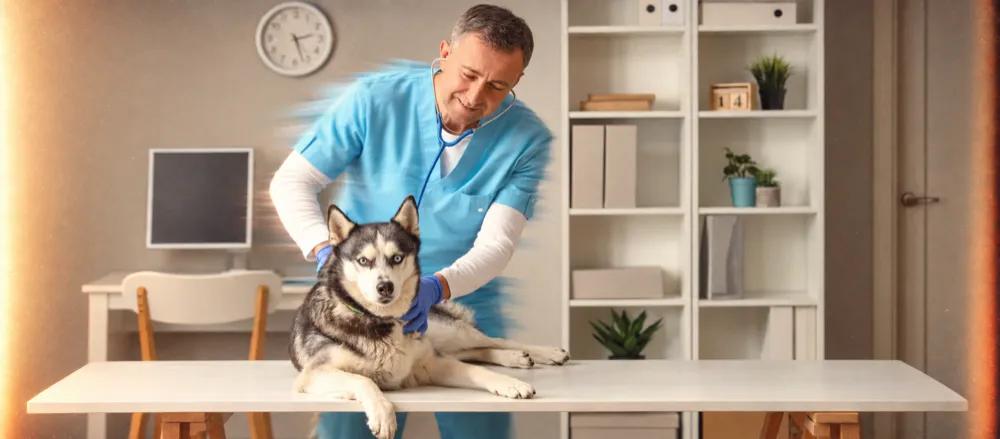
Gonad removal is associated with a higher risk of becoming overweight. Weight gain isn’t inevitable. Discuss nutrition and activity with your vet. Ask how his body condition will be reviewed and whether his individual feeding and activity plan needs adjustment.
Avoid applying a fixed food reduction simply because another neutered dog received one. The review should fit your dog. Nuzzy PetLife supports weight logs and vet-visit history, so you can keep dated measurements alongside the visit record for the next conversation.
Questions about dog neutering
What does neutering a male dog involve?
The usual operation removes the testicles after a veterinary assessment, using general anaesthesia. The surgical plan depends on the individual dog. Pain management begins before surgery and continues during the procedure and afterwards.
Sources
WSAVA (2024). Guidelines for the Control of Reproduction in Dogs and Cats: Executive Summary.