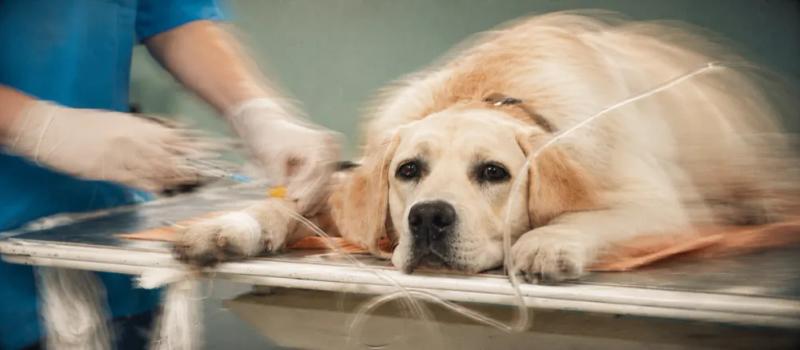
Leptospirosis in dogs is a bacterial illness that can affect the kidneys, liver and other organs. Exposure can involve infected-animal urine or contaminated water and soil. Signs vary and may include fever, appetite loss, vomiting, diarrhoea and changes in drinking or urination. A veterinarian combines the clinical assessment with laboratory evidence to investigate it. Symptoms alone cannot confirm the diagnosis.
Contact a vet about concerning changes. Care can involve antimicrobial treatment and support for fluid, electrolyte or organ problems, according to the dog's condition. Leptospirosis can also affect people, so urine-contact precautions need to be part of the care discussion. Ask the treating clinic to explain both the dog's care and the precautions that apply at home.
How exposure can happen
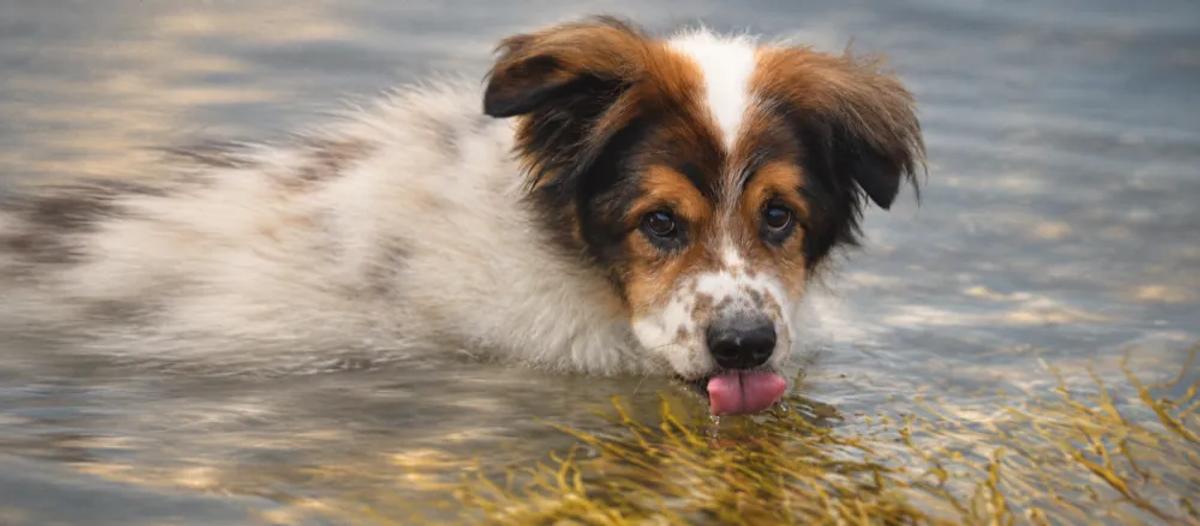
Animals infected with Leptospira can shed the bacteria in urine. Rodents are important reservoir animals, and other wildlife and domestic animals can also be involved. Contaminated water and soil can provide a route of exposure. The bacteria can enter through mucous membranes or damaged skin, among the routes described in veterinary guidance.
Tell the vet about relevant contact you know about, including exposure to standing water or environments where rodents have been present. Those details can inform the history, but they cannot identify the source of an individual infection by themselves. A recent walk through a puddle is an observation, not proof that the puddle caused the illness.
Exposure and diagnosis are separate questions. The vet still needs to consider the clinical presentation and testing. Knowing about an environmental route helps explain why the history matters; it does not remove the need to investigate the signs your dog is showing.
Signs and organs that may be affected
Leptospirosis is a multisystem illness. Kidney and liver problems are prominent concerns, but other organs can be affected. Signs can include fever, weakness, reduced appetite, vomiting and diarrhoea. Changes in drinking or urination may also be part of the presentation. The combination and severity differ between dogs.
These changes do not point to leptospirosis alone. They need to be interpreted with the examination and laboratory findings. A dog being sick or drinking differently should not be assigned a diagnosis solely because those signs appear in an article. Veterinary assessment works through the possible explanations and the evidence for them.
Describe the changes as accurately as you can. If drinking seems different but you have not measured it, say that rather than giving an invented quantity. If several family members care for the dog, bring their observations into the same account. This is a way to report what is known, not a request to diagnose the organ involved from a household observation.
The guide to infectious dog diseases explains the wider problem of overlapping signs. The practical next step remains an assessment of the individual dog. The vet can explain whether the findings suggest kidney or liver involvement and what further evidence is needed.

Why diagnosis uses several pieces of evidence
A diagnosis of leptospirosis draws on clinical suspicion and laboratory testing. Blood work and urine testing can be part of the assessment. More specific investigations may look for antibodies or for genetic material from the organism. Each kind of test contributes different information.
Antibody testing and organism detection are not interchangeable. Veterinary guidance recommends combining suitable methods because all available tests have limitations. This is one reason the assessment can involve more than a single result. Ask the vet what a proposed test is designed to show and how it fits the rest of the investigation.
A result needs its clinical context. The same technical term in two reports does not mean the two dogs have identical findings or need identical care. The veterinarian should explain how the evidence relates to the dog's current presentation, including what remains uncertain. You should not have to work that out from a laboratory number alone.
What veterinary care can involve
Veterinary management includes antimicrobial treatment and support for the problems caused by the illness. Fluid and electrolyte management can be part of care, and the plan needs to take account of the organs affected. Some dogs need hospital care. The treating veterinarian decides what support is appropriate for the individual patient.
The broad term “fluids” leaves out the assessment behind that decision. The clinical plan must account for the dog's needs and organ function. A general description cannot tell a pet parent what quantity to give or how it should be administered. Ask the clinic to explain what the support is intended to address.
The same applies to antimicrobial treatment. Knowing that antibiotics are used does not identify a medicine, dose or duration for your dog. Those are prescribing decisions. Keep questions about the care plan with the treating team, including any instruction you are unsure how to follow outside the clinic.
Household precautions and prevention
Leptospirosis can affect people as well as dogs. Avoid contact with the dog's urine and ask the veterinarian to explain the protection needed when cleaning it. Gloves are part of those precautions; the clinical guidance also describes eye protection during urine clean-up. Wash your hands thoroughly after accidental contact. Human health questions should be taken to a medical practitioner.
Use the treating clinic's advice for the situation in your home. A general article cannot establish when an individual dog's precautions can end. Keep that question with the veterinarian rather than assuming that an improvement in appetite or energy settles it.
Prevention also includes reducing access to standing water and limiting contact with animal reservoirs, including through rodent control. Discuss how those exposure routes relate to your dog's surroundings. The aim is a practical prevention plan based on the situation, without claiming that one particular season, walk or puddle explains every infection. Vaccination history can be part of the individual veterinary planning discussion.
Frequently asked questions
What symptoms can leptospirosis cause in dogs?
Signs can include fever, weakness, appetite loss, vomiting, diarrhoea and changes in drinking or urination. The illness can affect the kidneys, liver and other organs, and signs vary between dogs. These changes overlap with other conditions. A vet uses the clinical assessment and laboratory evidence to investigate leptospirosis rather than diagnosing it from a symptom list or a single story about environmental exposure.
How is leptospirosis in dogs treated?
Veterinary care includes antimicrobial treatment and support for fluid, electrolyte and organ problems according to the dog's condition. Hospital care may be needed. Ask the treating clinic to explain the purpose of the plan and the household precautions required around urine. A general treatment description is not a prescription, and questions about possible effects on human health belong with a medical practitioner.
Keep the clinical documents available
PetID can hold health records, veterinary documents and vaccination history together. Keep the clinic's findings available for follow-up discussions so that the next conversation can refer to the recorded assessment.