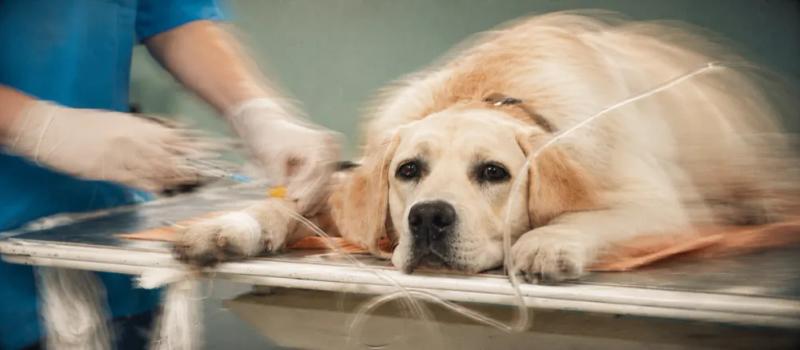
Puppy deworming guidance starts at two weeks of age, using a product labelled for puppies, and repeats every two weeks through eight weeks before the ongoing programme is selected. Your vet needs to choose the treatment and confirm its instructions.
If you have just brought a puppy home, take the treatment information you have to the vet and ask them to clarify the plan. This is also the time to raise any uncertainty about administering the prescribed treatment. You do not need to work out a replacement timetable on your own.
Why puppy care starts early
Toxocara canis, a roundworm, can pass from the mother to puppies before birth. Dogs can also acquire roundworms by swallowing infective eggs from a contaminated environment or eating infected prey tissues.
A different parasite, the hookworm Ancylostoma caninum, can pass through the mother's milk. Hookworms can also infect dogs through ingestion or skin penetration. These routes belong to particular parasites; they should not be turned into a statement that every puppy has worms.
Discuss early parasite control with the vet even when you have been concentrating on the other parts of bringing a puppy home. The mother's care may be part of that discussion too. Keep the plan tied to the puppy and the prescribed product, rather than treating an age alone as a complete instruction.
The early deworming schedule
The tropical roundworm-control guideline sets out an early pattern: begin at two weeks with a registered treatment labelled for puppies, repeat every two weeks until eight weeks, then move to ongoing control. It also specifies treating the mother at the same time, under the relevant treatment instructions.
A separate general guideline also starts at two weeks and repeats every two weeks, but describes the endpoint as the beginning of regular broad-spectrum parasite control. That qualification matters. The ongoing programme needs to be identified, so the transition should be discussed with the vet.
The tropical general guidance moves to monthly control, while its parasite-specific sections contain different instructions. The vet needs to choose the appropriate programme and product. Do not extend the early two-week pattern indefinitely or assume a general monthly statement describes every treatment regimen.
When reviewing the plan, ask the vet to identify the early treatment dates and explain what follows them. If the product instructions and the timetable you have written down seem different, bring that difference back to the clinic. The aim is to leave with one clear set of instructions for your puppy.
Confirm the treatment instructions
Ask the vet to explain the prescribed instructions in terms you can follow. You can request a demonstration if you are unsure about administration.
Prescription treatment involves diagnosis and monitoring of the response and possible side effects. Decisions about using a drug outside its labelled instructions belong to the treating vet as well.
If another person in the family will give the treatment, include them in the instruction discussion. Ask the clinic to clarify anything you cannot explain confidently to that person.
Testing and signs to report
Testing belongs in the puppy plan alongside treatment. General parasite guidance recommends at least four stool examinations in the first year. Tropical guidance recommends gastrointestinal parasite testing at least every three months. Your vet can explain the examination plan they want you to follow.
A sample may miss an infection when eggs have not yet been shed or shedding is intermittent. The result needs to be interpreted with the puppy's history and condition. Do not use the appearance of one sample as the only information you give the vet.
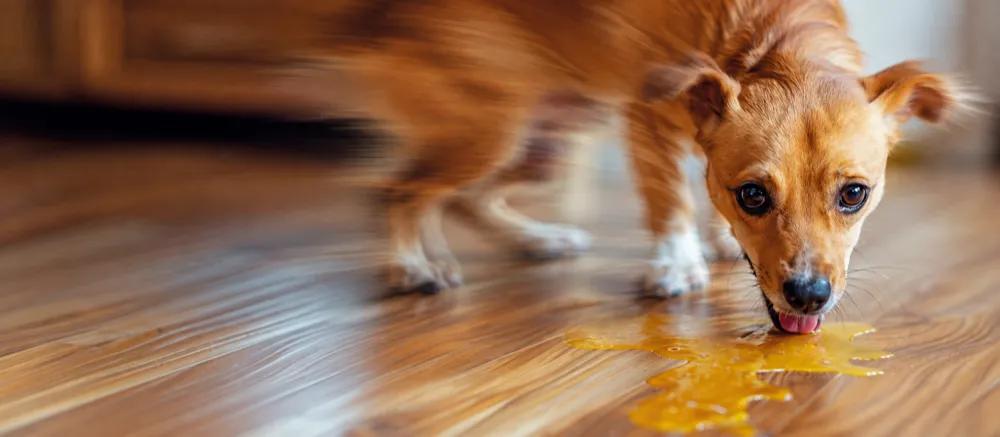
Heavy roundworm infections can cause poor growth, a pot-bellied appearance and vomiting in puppies. Tell the vet about changes you have noticed. Those signs are possible manifestations, and they do not identify a cause by themselves.
Hookworm disease can cause anaemia, poor growth and dark, tarry diarrhoea in puppies. Severe disease needs immediate veterinary intervention and can be life-threatening. You do not need to wait for every sign to occur together before seeking help.
Our guide to signs that may be linked to worms explains the different manifestations and the limits of identifying infection from symptoms. A routine deworming date should not become a reason to postpone a discussion about an unwell puppy.
Keep the household plan together
Pick up poo promptly in public spaces and remove it from the yard daily. Avoid handling waste with bare hands and wash after accidental contact. Keep the puppy from hunting or eating raw meat as part of reducing parasite exposure.
PetLife supports vet visit history and weight logs; PetID includes health records and medical documents. Keep the current instructions together so that the family is referring to the same plan.
The broader guide to dog deworming and prevention puts these tasks in context. As you discuss the transition to ongoing care, the adult deworming schedule guide gives you the later guidance without extending the early puppy timetable yourself.
Questions about puppy deworming
When should puppy deworming begin?
The guideline begins at two weeks of age, with a product labelled for puppies and selected with the vet. It repeats every two weeks through eight weeks in the tropical roundworm guideline before ongoing control. Confirm the actual treatment instructions for your puppy.
How is a puppy deworming schedule chosen?
The early schedule needs to be connected to the prescribed product and the ongoing programme. Parasite-specific instructions can differ from general guidance. Ask your vet to confirm both the early dates and the transition, rather than combining parts of different schedules.
Can a puppy be dewormed at home?
Ask your vet to confirm the instructions for the selected treatment and request a demonstration if needed. Confirm whether the selected product is suitable for use at home.
Sources
- Companion Animal Parasite Council. Dipylidium caninum guidance, updated February 2025.
- US Food and Drug Administration. Questions about pet health and suspected drug reactions.
- Companion Animal Parasite Council. General guidelines for dogs and cats, updated April 2025.
- Companion Animal Parasite Council. Hookworm guidance for dogs, updated February 2025.
- Companion Animal Parasite Council. Ascarid guidance for dogs, updated February 2025.
- Tropical Council for Companion Animal Parasites. Canine endoparasite guidelines, second edition, March 2019.
- Tropical Council for Companion Animal Parasites. General considerations and recommendations for dogs.