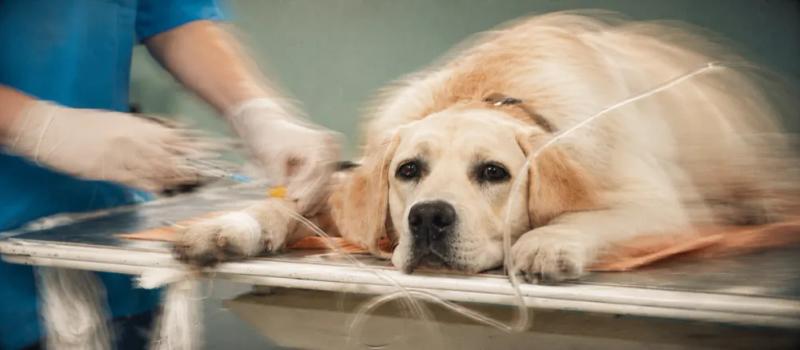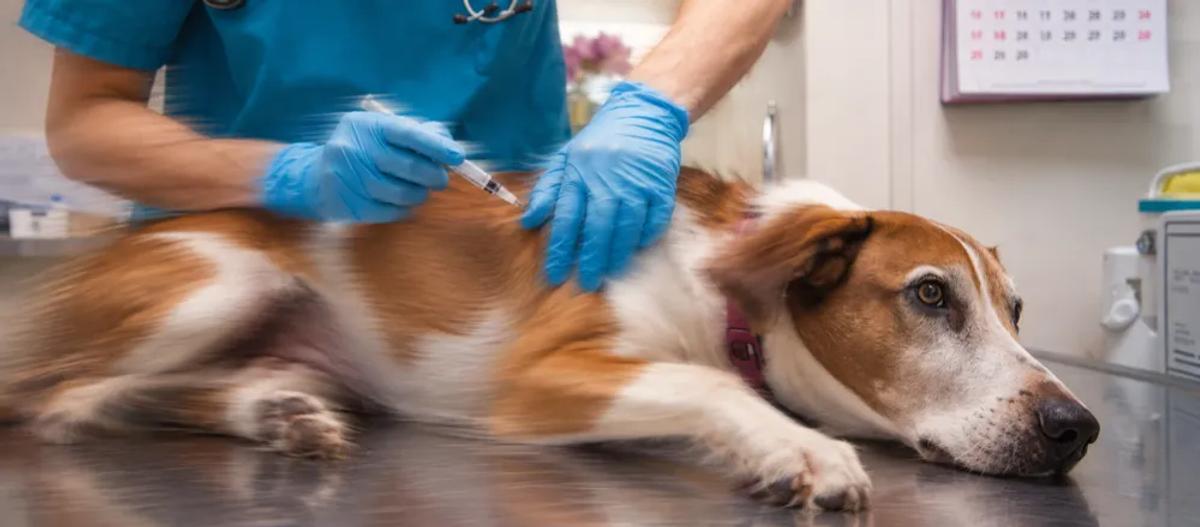
Dog deworming is the treatment of intestinal worms as part of a wider parasite-control plan. Your vet chooses that plan around your dog's health, exposure and lifestyle, with stool testing alongside treatment. For a pet parent in India, the useful starting point is a conversation about the dog in front of you: what treatment has already been prescribed, what testing is due and what has changed in their routine.
An internet timetable cannot choose the medicine for your dog. If you are looking for something to give at home, ask your vet to confirm the instructions for the selected treatment. You can also ask them to demonstrate its use.
What deworming covers
Intestinal worms have different routes into a dog's body. Dogs can pick up roundworms by swallowing infective eggs from a contaminated environment or eating infected prey tissues. Some hookworms enter through the skin as well as through ingestion. The flea tapeworm has a different route: a dog becomes infected by swallowing an infected flea, or less commonly a louse.
Puppies have another reason for early care. One roundworm, Toxocara canis, can pass from the mother before birth. The hookworm Ancylostoma caninum can pass through her milk. Those are particular parasite life cycles; they do not mean that every puppy has every type of worm.
Treatment therefore sits within prevention. The plan can include reducing exposure to contaminated faeces and addressing fleas where they are involved. Giving a treatment does not settle those surrounding tasks. They belong in the conversation about how your household will manage parasite control over time.
How your vet chooses a plan
Parasite-control guidance calls for plans that reflect local parasite exposure and the individual dog's lifestyle. Outdoor access, travel and contact with other animals are relevant parts of that discussion. Describe the routine your dog actually follows, including any change you are planning, so the vet can assess it.
It helps to begin with a specific question: “Does the current plan still fit my dog?” You do not need to choose a replacement medicine before asking. If you have been comparing different timetables, show the vet the instructions already given to you and ask which dates apply to treatment and which apply to testing.
Prescription treatment requires veterinary diagnosis and monitoring of the response and possible side effects. Decisions to use a drug outside its labelled instructions also belong to the treating vet.
Our adult dog deworming schedule explains the general guidance and its conditions. It separates a routine programme from a medicine's own instructions, which matters when two schedules appear to give different answers.
Where stool testing fits
Stool testing has a role even when you already have a treatment plan. The timing of an examination is a separate decision from the timing of a dose. Guidelines give testing intervals and adjust them for factors such as age, health and exposure; your vet can make those parts of the plan explicit.
A sample also has limits. Signs of illness can appear before a parasite starts shedding eggs, and shedding may be absent or intermittent. This means a sample can miss an infection. A vet interprets the result alongside the history and the dog's condition rather than treating the appearance of one sample as the entire answer.
Dipylidium, the flea tapeworm, illustrates the problem. Their segments and eggs are not spread evenly through faecal material, so flotation testing alone has limited sensitivity for these infections. Tell the vet if you have noticed visible pieces in poo, on bedding or around your dog's rear, even if a stool result is already available.
Ask what the result changes in your dog's plan and when the next examination is due. That keeps testing connected to the care decision. It also gives you a clear question to bring back if the dog remains unwell or you notice something different.
Puppies and adult dogs
Early puppy care takes account of the maternal transmission routes described above. Guidelines begin puppy deworming early, using a product labelled for puppies and a programme chosen with the vet. Our puppy deworming schedule explains the early intervals and the transition to ongoing care.
The transition needs attention. General prevention guidance and treatment for a particular parasite do not always use the same interval. The selected product matters too. Keep the puppy's prescribed instructions with the plan instead of extending an early timetable yourself.
Adult planning still depends on exposure and the treatment programme. Becoming an adult does not turn a general calendar into a prescription. Ask the vet to identify the ongoing arrangement and any circumstances that would lead them to review it.
When you notice possible worms
Heavy roundworm infections in puppies can cause poor growth, a pot-bellied appearance and vomiting. These are possible manifestations of infection, not a way to identify the cause of illness at home. Mention the changes you have seen to the vet rather than deciding on treatment from one sign.
Hookworm disease can cause anaemia, poor growth and dark, tarry diarrhoea in puppies. Severe disease can be life-threatening and needs immediate veterinary intervention. A puppy does not need to show every listed sign for you to seek help.
Visible pieces also need interpretation. Tapeworm segments can appear in poo, on the coat or bedding, or around the anus. A description such as “rice-like” cannot confirm what you have found. The possible signs of worms guide explains these distinctions and why the vet may need to examine suspected segments.
Reducing exposure at home
Pick up your dog's poo promptly in public spaces and remove it from the yard daily. Avoid handling animal waste with bare hands, and wash your hands after accidental contact. These practical measures are part of parasite-control guidance and give the household something concrete to do alongside prescribed treatment.
Keep dogs from hunting or eating raw meat. Some animals can carry infective stages of parasites, and eating them is one route of exposure. Discuss your dog's actual feeding and outdoor routine with the vet if it is relevant to their control plan.
Flea tapeworm needs attention to the intermediate host. Treatment must be accompanied by appropriate flea control, with louse treatment where applicable. Otherwise, the route to another infection remains. Our guide to flea control at home covers the dog and household sides of flea care in more detail.
Before boarding or using a shared animal facility, review parasite testing and current control with your vet. The facility can explain the care information it needs from you. This is a preventive-care recommendation; it does not establish a legal rule for every Indian boarding business.
If your dog seems unwell after a dose
Contact your vet immediately if you suspect a bad reaction after a drug. If the vet is unavailable, contact an emergency animal hospital. You do not need to decide on the cause before making that call.
Our guide to what to do about a suspected deworming reaction covers the information to share. Ask the vet about the symptoms you are seeing.
Your next vet visit
Bring the existing treatment history into the discussion. PetLife can help you refer to vet visit history and weight logs, while PetID holds health records and medical documents. Agree the next treatment and testing steps with your vet, and keep the instructions where the family members caring for your dog can find them.
Questions about dog deworming
What is dog deworming?
It is treatment for intestinal worms within a broader programme of parasite prevention and testing. The plan should account for the individual dog's exposure and lifestyle. Your vet chooses the relevant care for your dog.
How is deworming for dogs planned?
The vet considers local parasite exposure, the dog's health and their routine. Treatment dates and stool-testing dates are separate parts of the plan. Ask for both to be made clear, especially if the routine has changed.
Can I deworm my dog at home?
Ask your vet to confirm the instructions for the treatment they have selected. You can request a demonstration if you are unsure how to follow them. Confirm whether the selected product is suitable for use at home.

Sources
- Companion Animal Parasite Council. Dipylidium caninum guidance, updated February 2025.
- US Food and Drug Administration. Reporting animal drug side effects and product problems.
- US Food and Drug Administration. Questions about pet health and suspected drug reactions.
- Companion Animal Parasite Council. General guidelines for dogs and cats, updated April 2025.
- Companion Animal Parasite Council. Hookworm guidance for dogs, updated February 2025.
- Companion Animal Parasite Council. Ascarid guidance for dogs, updated February 2025.
- Tropical Council for Companion Animal Parasites. Canine endoparasite guidelines, second edition, March 2019.
- Tropical Council for Companion Animal Parasites. General considerations and recommendations for dogs.