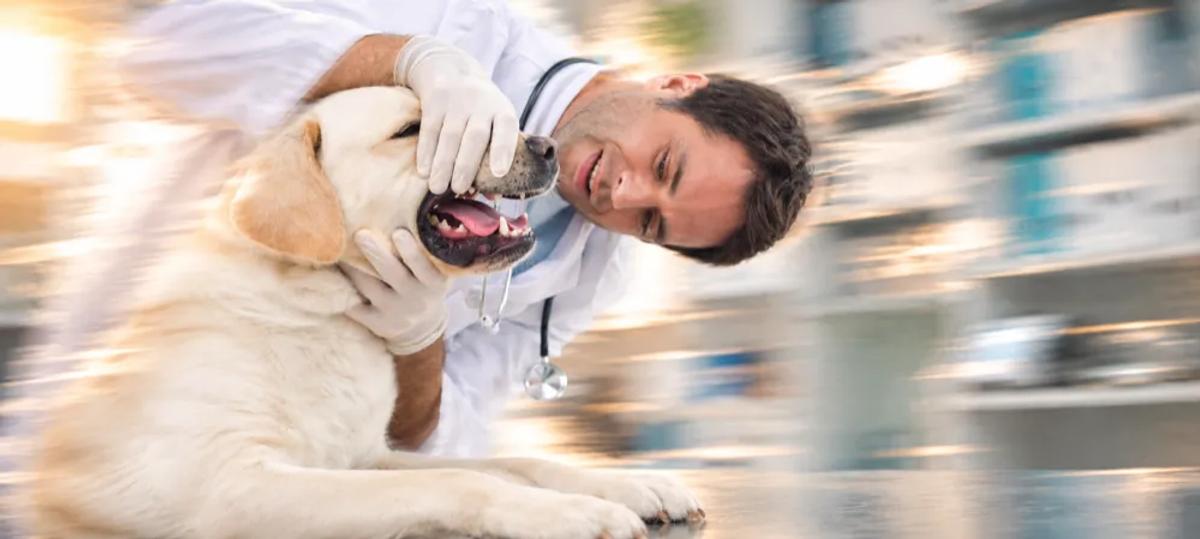
Professional dog teeth cleaning involves a detailed oral examination and cleaning above and below the gumline under general anaesthesia. The vet uses the findings to plan any further treatment, with an anaesthetic assessment specific to your dog. Before agreeing to a procedure, ask the clinic what its dental assessment includes and how the findings will be discussed with you.
Bring your questions to the first consultation. The wider guide to dog dental care in India explains how professional care and a home routine fit together.
Before the appointment
A dental plan begins with your dog's history and an examination. Existing health conditions and medicines form part of the anaesthetic assessment, while the appointment overview describes history-taking and physical examination before the procedure. Bring the information the clinic requests and explain any previous dental treatment.
Ask which instructions apply to the first consultation and which apply if a procedure has been arranged. Preparation is part of individual anaesthetic planning. Get instructions about food, water or medicines directly from the treating team, and check anything you are unsure about before following them.
Write down your questions before the appointment, including anything you want to understand about the proposed assessment and how the team will contact you about treatment decisions. If you are organising care with another person at home, agree who will speak to the clinic and keep the instructions together.
Ask the clinic to explain the proposed charges. Request its own estimate and ask which findings could change it. Keep the estimate with your appointment notes, and ask who to contact if you want something explained before agreeing to the procedure.
Why anaesthesia is used
A thorough oral examination requires general anaesthesia, as the professional-care guidance also explains. Anaesthesia allows detailed assessment of the mouth and the cleaning needed below the gumline. An awake look can inform the initial discussion, but it cannot provide that complete examination.
General anaesthesia allows airway protection, appropriate ventilation and close monitoring of heart and breathing function. The anaesthetic protocol can be adjusted to the individual patient. Ask the team how your dog's health affects the choice of protocol and how monitoring will be carried out during the procedure.
Ask about the risks. The assessment considers your dog's health and the proposed procedure. Tell the vet what worries you and ask how it affects the care being proposed. You can ask for an explanation of the assessment before deciding whether to go ahead.
If you encounter an offer of cleaning without anaesthesia, ask exactly what it includes. Professional periodontal therapy requires general anaesthesia, and cleaning visible tooth surfaces alone is insufficient to treat periodontal disease. The professional-care overview likewise describes thorough examination and cleaning under anaesthesia.
During the cleaning
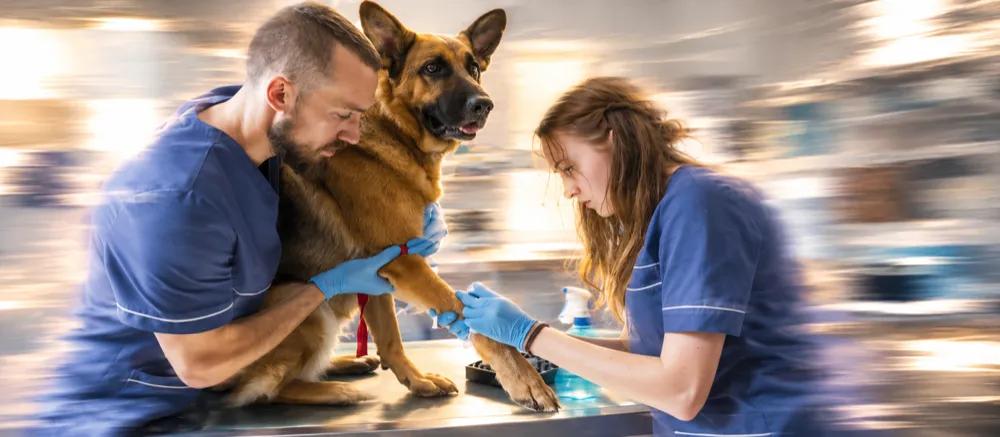
The dental team examines the mouth in detail and records findings in a dental chart. The account of professional care explains the assessment of the teeth and gums during the appointment. Those findings help the vet decide what care is needed for the affected areas.
Dental X-rays provide further information for assessment and treatment planning. The guidance recommends radiographs of abnormal areas when available and discusses full-mouth imaging to reduce missed disease. The professional-care overview includes dental radiographs within a thorough examination.
Ask the clinic what imaging is available and how the vet would arrange further assessment if needed. You can also ask how the findings will be explained to you after the procedure. Confirm the imaging arrangements before the appointment.
Cleaning includes plaque and tartar removal above and below the gumline, also described in the professional-care overview. Cleaning below the gumline is necessary because care limited to visible surfaces is insufficient for treating periodontal disease.
After the procedure, ask what the examination found and which treatment was provided. Request the instructions for home care in writing. If the notes contain terms you don't understand, ask the team to explain them before leaving the clinic.
Decisions about treatment
The findings guide treatment. The vet considers examination and imaging results alongside your dog's health and planned home care. Some teeth may need further treatment or removal based on what the examination shows.
Depending on the disease present, care may include professional cleaning, ongoing home care, periodontal procedures or extraction. The professional-care overview explains how the examination helps guide further treatment. Your vet can discuss which options apply to your dog and why they are being proposed.
Agree before the procedure how the clinic will contact you if the findings change the proposed plan. The separate guide to gum disease in dogs explains why assessing the supporting tissues matters.
Returning home
Ask for the discharge instructions and follow-up plan before you leave. Ongoing care is part of periodontal management; the recovery guidance describes monitoring during recovery, written discharge information and follow-up. Check that you understand the instructions for the care your dog received.
Confirm when to restart brushing and what to do if you have a concern at home. Follow the treating vet's recommendations when resuming dental care, within the ongoing-care plan. Keep the clinic's contact details alongside the instructions so you can reach the team with questions.
Use PetLife to maintain the vet-visit history, and keep the information you want to discuss at the follow-up together. You can ask the clinic which procedure notes or other records it would like you to bring to the next appointment.
Common questions
Can my dog's teeth be cleaned without anaesthesia?
A complete professional dental examination and cleaning require general anaesthesia, as the professional-care overview also explains. Cleaning only visible surfaces cannot provide the same assessment or the treatment needed below the gumline. Discuss the individual anaesthetic assessment with the vet who would treat your dog.
What can I clean at home?
Toothbrushing is the most effective home method of plaque control, supported by the home-care advice. It belongs alongside professional assessment and treatment. After a procedure, follow your vet's restart instructions and use the brushing guide for the gradual introduction.
Find a clinic
Find a vet clinic through PetMap, then ask the clinic about its dental assessment and treatment arrangements. Use the dog dental care guide to keep your questions about home care and professional treatment together.