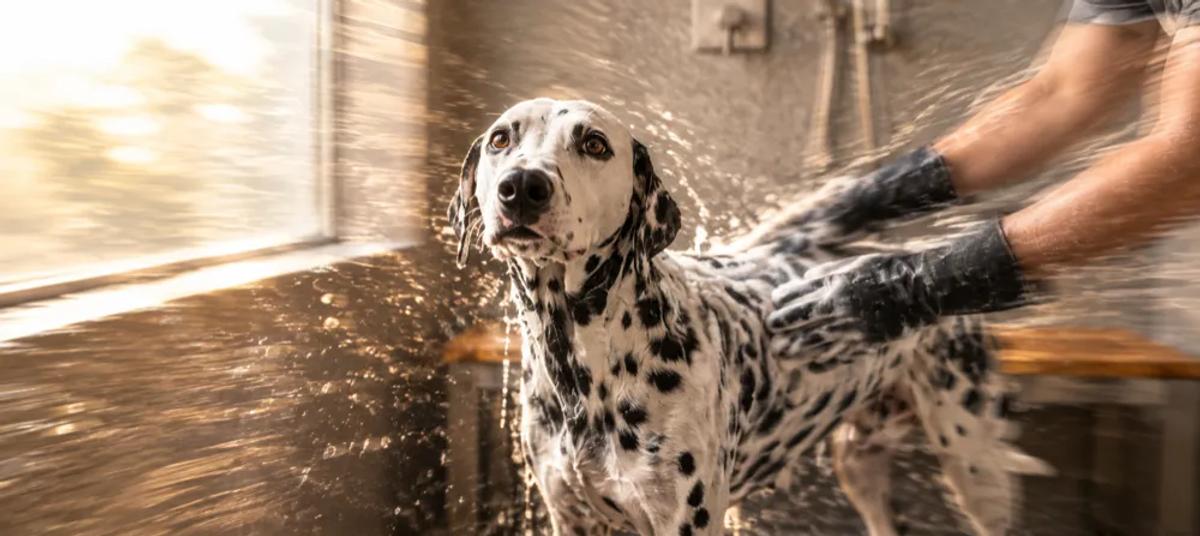
Bathe your dog at an interval that fits their individual coat and skin needs, agreed with your vet. There is no single timetable for every dog. Bathing more often than needed can harm the skin or coat, so a daily or twice-weekly routine should not be your starting assumption.
Keep the towel and bathing supplies ready, but first decide what this bath is meant to do. If you are unsure whether your dog needs washing again, bring that question to the vet who advises on their care.
Choose an interval for your dog
Your dog's coat and skin need an individual care plan. That plan can include brushing, bathing and trimming, with the interval discussed with a vet. The frequency should follow those needs rather than the schedule used for another dog in the building or a relative's home.
More frequent bathing can strip natural oils and leave skin dry or irritated. That is why another bath should not become the automatic response whenever the coat looks different. Ask what your dog needs and whether the change you have noticed calls for an examination.
Be clear about what you have been doing. Tell the vet how often you bathe your dog, show them the supplies you use and explain what makes you decide that it is time for another wash. You can ask them to write down the plan if several family members share the care.
Bathing belongs within your dog's home grooming routine, alongside the other coat-care tasks. Keep the bathing plan with those instructions so everyone follows the same advice.
You don't need to solve the frequency question by counting backwards from a date you found online. Ask the vet what should guide the next bath for your dog, and what should prompt a call before you go ahead.
Prepare the bath
Let your dog investigate the bathing area at their own pace. Introduce handling with rewards and keep early practice short. If your dog freezes, pulls away or shows other signs of stress, pause and make the next practice step smaller.
Use lukewarm water for the bath. Ask the vet or groomer to demonstrate any part of the preparation you are unsure about before you begin washing.
Arrange the towel and supplies where you can reach them. If someone is helping, agree who will do each part and keep the instructions close by. Check the questions you wrote down after the previous bath while you still have time to ask for help.
A practice session can end before any washing happens. Stop while your dog is comfortable, and avoid pushing through a difficult response just because the bathing things are already out.
Wash, rinse and towel dry
Keep water away from the face and ears
Avoid spraying or pouring water directly into your dog's ears, eyes or nose. Keep that limit in mind as you wet the coat and rinse it. Ask for a demonstration if you are unsure how to control the water during the bath.
Apply and rinse gently
Massage the shampoo gently through the coat and rinse it out. Keep the washing movement gentle, and ask about the supplies and instructions appropriate for your dog before using them.
If the vet has given you a particular plan, keep it where you can refer to it. Do not try to fill in a forgotten instruction by copying a different product's routine. Call the clinic to clarify what they meant.
Towel dry
Use a towel to dry your dog after rinsing. Have it ready before the washing begins so you can move straight to this part of the routine.

Care between baths
Regular brushing helps manage loose hair and keeps coat care going between washes. Choose a brush or comb suited to the coat, and work within the comfortable handling you have practised. The guide to managing loose coat between baths explains shedding and the changes that need a closer look.
Ears that get wet during bathing may need routine cleaning. For healthy, normal ears, unnecessary cleaning can also cause irritation, so keep the wet-ear situation separate from a rule to clean them constantly. Read about ear care after bathing for the appropriate method and limits.
When to contact your vet
Contact your vet about skin or coat abnormalities, increased itching or painful irritation. These changes need assessment and appropriate care. Repeatedly adding another bath does not establish what is causing the problem.
Seek advice if handling seems painful or your dog shows other concerning changes. Stop the attempt and describe what happened to the clinic. Explain whether the difficulty started before the bath, during washing or when you began drying.
Bring the bathing instructions you have been following and ask what should change. Get the revised advice from the professional assessing your dog so the next attempt follows the care they recommend.
Common questions
Can I bathe my dog every day?
Do not make daily bathing the default. The right interval depends on your dog's individual coat and skin needs, and unnecessary bathing can be harmful. Discuss the frequency with your vet. If you have been given a particular care plan, ask the treating vet how that instruction applies and follow their advice.
Can I bathe my dog twice a week?
Twice a week is not a general rule for dogs. Ask your vet which interval fits your dog's needs, and explain why you are considering more frequent baths. If the skin or coat has changed, have that assessed instead of deciding the frequency from the change alone.
Get help with bath time
Use PetMap to explore grooming options if you need help with bathing, then ask the groomer how they will follow your dog's care plan.