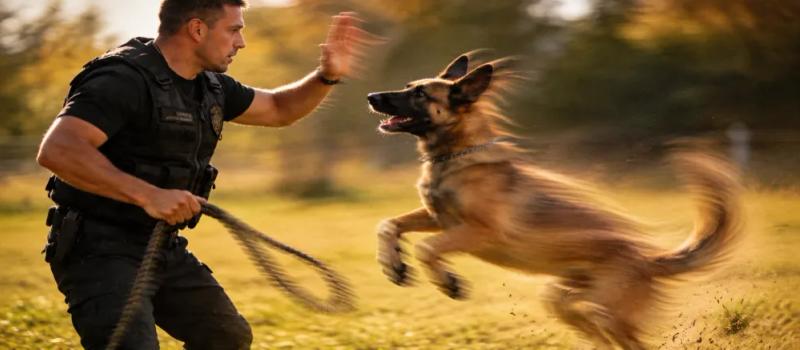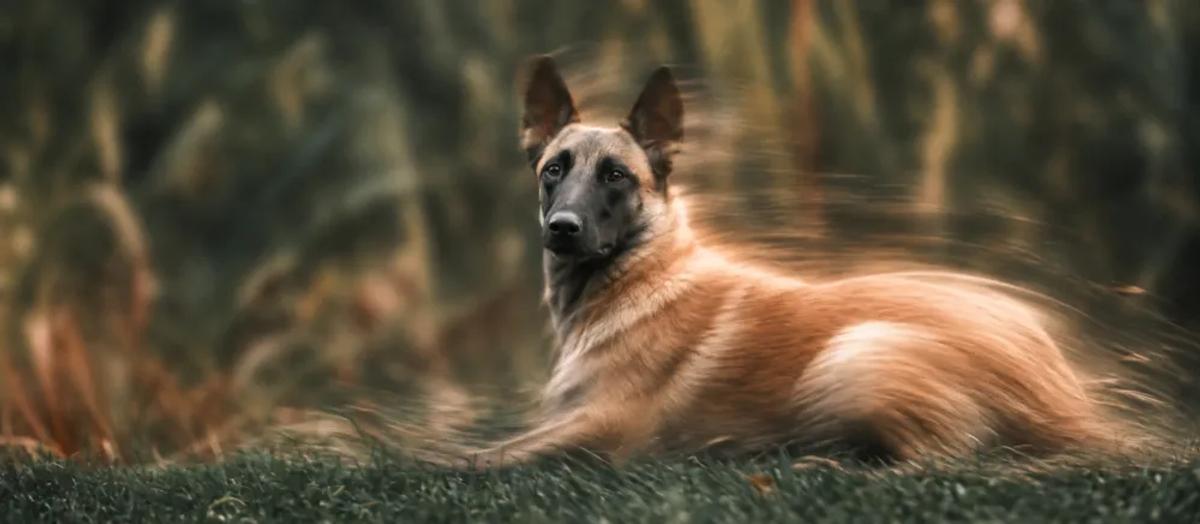
The Belgian Malinois is the short-haired variety within the Belgian Shepherd breed standard. It is described with a fawn coat, black overlay and black mask, and an alert, active working temperament as the ideal. Caring for an individual Malinois means planning physical activity, cognitive engagement and learning around that dog's experience and health.
The working description is a starting point for questions. It cannot tell you how many hours your dog should exercise or guarantee how it will respond at home. Use the breed's background to inform a practical conversation with your vet, then build the routine around the individual dog.
Malinois coat and adult size
The Belgian Shepherd standard distinguishes four varieties through coat characteristics: Groenendael, Tervueren, Malinois and Laekenois. The Malinois is the short-haired variety. Its hair is especially short on the head, outer ears and lower legs, with fuller hair around the neck and tail.
The colour description is specific: fawn with black overlay and a black mask. This is the standard's appearance criterion. It does not establish the health, training history or household suitability of a particular dog, even when the appearance closely matches the description.
The shared Belgian Shepherd size section gives ideal heights of 62 cm for males and 58 cm for females. It allows 2 cm below and 4 cm above those ideals. Approximate weights are 25 to 30 kg for males and 20 to 25 kg for females.
The distinction matters when comparing size descriptions. Ideal height and permitted height range are different measurements, while the weights are approximate. Ask your vet how your own dog's measurements fit the examination findings before making decisions about weight.
When comparing profiles online, check which measurement each page gives. One may quote the ideal height and another the permitted range. Reading the labels carefully can explain why the figures differ.
Put working-dog descriptions in context
The standard records sheepdog origins and working uses that include guarding, tracking and service work. It describes a watchful, active temperament. Those passages explain why the Malinois is described as a working dog. An individual behaviour assessment considers the dog itself.
A description of alertness cannot guarantee that a dog will be straightforward to train, comfortable around unfamiliar people or suitable for a particular household. Veterinary guidance considers behaviour through genetics, experience, developmental stage and surroundings. All of those belong in the care conversation.
If you are comparing breeds associated with guardianship, our guide to responsible care for guard dogs explains the shared responsibilities. Start by deciding who will manage learning and veterinary care, then identify what you still need to know about the dog.
Ask for examples when discussing temperament. Describing what happened in an ordinary situation gives a vet or trainer more to work with than repeating that a dog is energetic or protective. If some of the dog's history is missing, say so when discussing your plans with the professional.
Plan physical and cognitive engagement
Discuss activity as part of an individual care plan. Veterinary guidance recommends considering exercise needs and appropriate cognitive engagement, including realistic expectations about behaviour. There is no universal timetable that follows automatically from the words Belgian Malinois.
Tell your vet what the day currently involves, or what you are planning if the dog has not joined your home yet. Include learning opportunities alongside physical activities. Our guide to planning daily exercise explains why the conversation needs to account for the particular dog.
Enrichment can add useful opportunities within the environment. Behaviour guidance discusses a food toy as one example, while warning that some dogs with behaviour problems are too distressed for enrichment alone to help. Adding another activity should have a clear purpose rather than become the default response to every concern.
The surroundings may need attention too. If a view through a window repeatedly triggers distress, guidance gives closing the blinds or moving the dog away from that view as examples of avoiding the immediate trigger. This can form part of management while you arrange appropriate help.
Avoiding that view is one part of management. Describe the situation to your vet and ask what assessment is needed before deciding on longer-term care. Keep the dog's response central to that decision.
Reward learning and positive experiences
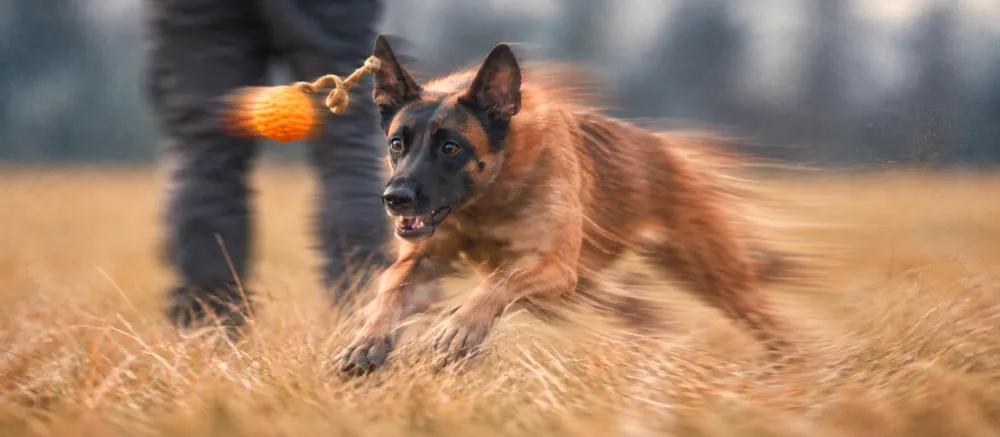
Reward the behaviour you want. Veterinary guidance recommends rewarding new behaviours each time they occur during learning, then moving to intermittent rewards once they have been acquired. Ask a trainer to explain how that principle will be used for the particular behaviour you want to teach.
The explanation should be something you can understand and apply in daily care. Ask what happens when the dog struggles and how the request will be taught. You do not need to accept a promise about perfect obedience in place of a clear method.
For puppies, positive experiences depend on the response. Veterinary guidance recommends watching for signs that a puppy needs help with a situation, and warns that exposure without evaluation can increase problem behaviour. More encounters alone do not prove that the puppy is becoming comfortable.
Fear and aggression need care, too. Behaviour guidance warns that punishment in aggression cases can worsen the behaviour and increase bite risk. If that is part of your concern, begin with a veterinary conversation about assessment. Ordinary manners and a clinical behaviour problem call for different kinds of professional work, even when both appear during the same daily routine.
Bring individual concerns to your vet
Keep the observations concrete. Explain what the dog did, what was happening around it and which parts of the routine have become difficult. Avoid deciding that every concern comes from having a working breed before the veterinary team has assessed the individual.
Veterinary care can consider behaviour together with physical findings, including pain and movement. A trainer may support everyday manners, while aggression, severe fear or problems that have not responded to veterinary treatment may call for veterinary behaviour referral. Ask your vet what options fit the situation and what information to bring.
Keep previous care findings accessible between appointments. PetLife supports weight logs and vet visit history, allowing you to organise those records alongside your questions. Keep the veterinary team's findings with the records so you can refer to them at the next appointment. This gives you a care history to discuss as the routine develops.
Frequently asked questions
How big is an adult Belgian Malinois?
The Belgian Shepherd standard gives ideal heights of 62 cm for males and 58 cm for females, allowing 2 cm below and 4 cm above. It lists approximate weights of 25 to 30 kg and 20 to 25 kg respectively. These shared standard measurements are not individual health targets.
How should I compare a Belgian Malinois with a German Shepherd?
Compare the individual dogs' experience, observed behaviour and care needs alongside their breed descriptions. The German Shepherd care guide gives you a separate profile to read. Discuss activity and cognitive engagement with your vet rather than expecting the breed name to decide household suitability.
Choose support for your routine
Write down the question you want a professional to help answer. It might concern teaching everyday manners or understanding a behaviour that has become difficult. PetMap supports discovery of local services, including veterinary care, so you can explore options and ask directly whether they provide the support you need before making arrangements.