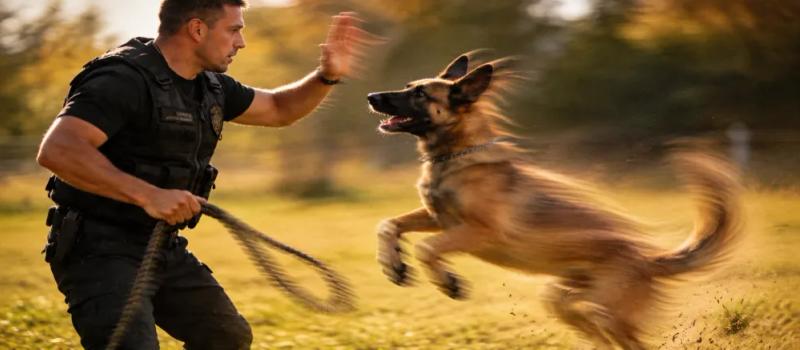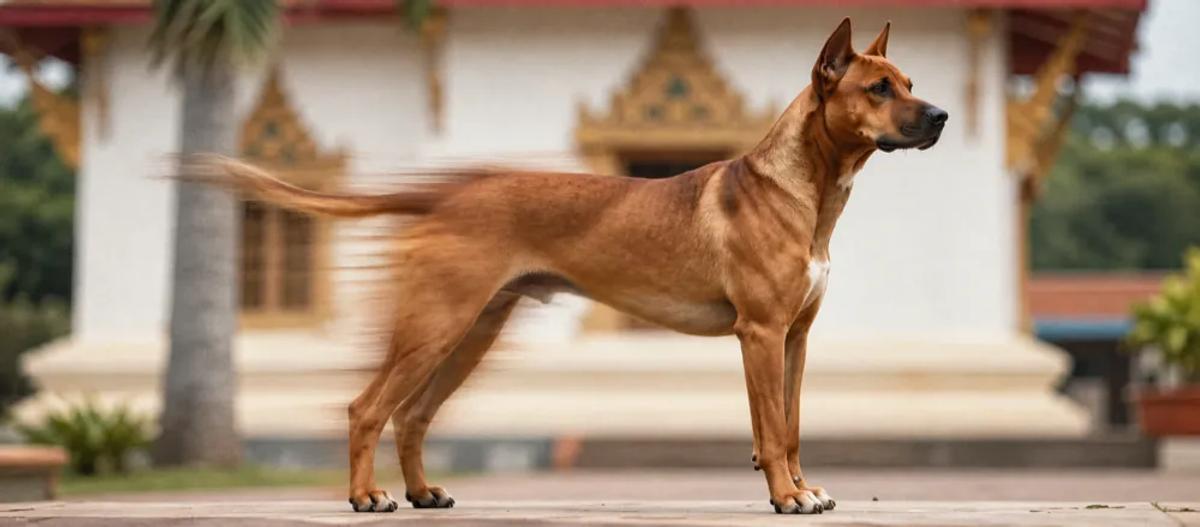
Indian dog breeds include Rajapalayam, Chippiparai, Mudhol Hound and Gaddi. Their documented settings span Tamil Nadu, Karnataka and Himachal Pradesh. Caring for an individual dog means choosing food for their life stage and physical condition, providing comfortable rest and daily activity, and reviewing their needs with a vet. A breed profile gives you background. Your dog's care still needs to fit the animal living with you.
The evidence behind these profiles varies. Some papers describe dogs measured during field surveys; others examine genetic markers or cells in a laboratory. Keeping those differences clear helps when comparing a physical description with a health claim. A measured coat colour, for example, answers a different question from whether a dog needs a particular feeding plan.
The current breed register
The official Indian dog-breed register checked in September 2026 lists Rajapalayam, Chippiparai, Mudhol Hound, Gaddi and Changkhi. It records Himachal Pradesh as Gaddi's home tract and Ladakh as Changkhi's. These are the names in that register at the time of the check. The list should not be read as an inventory of every native dog population in India.
Registration is useful when checking a breed name against a current official record. It does not answer every question raised by an individual dog. A photograph, a description supplied with a dog and a national registry entry are different kinds of information. Keep the record you have about your own dog alongside any background reading, without turning a coat description into a certificate of identity.
The four profiles below focus on Rajapalayam, Chippiparai, Mudhol Hound and Gaddi. The first two have field research from Tamil Nadu, while Mudhol has a documented research and conservation setting in Karnataka. Changkhi is included in the registry list here but is outside these four profiles.
Rajapalayam and Chippiparai in Tamil Nadu
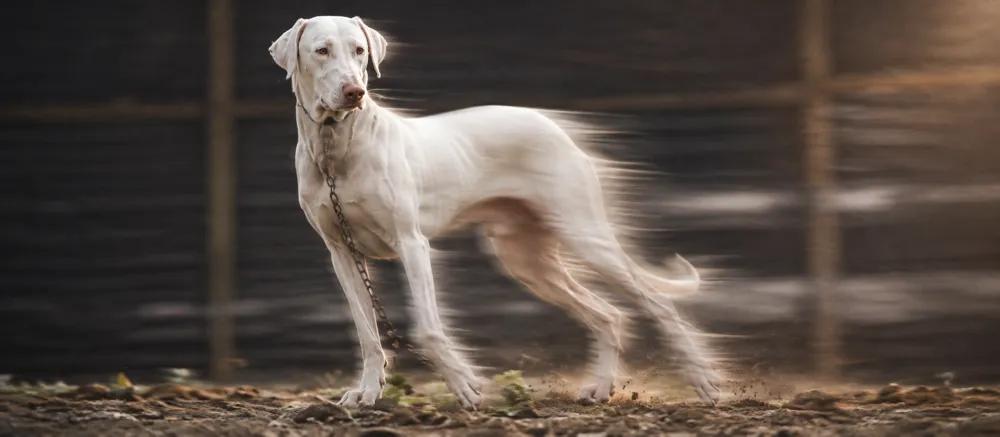
Rajapalayam takes its name from Rajapalayam town in Virudhunagar district, Tamil Nadu. A study published in 2017 described predominantly white, short, smooth coats, pink skin, compact bodies and tucked abdomens in the dogs surveyed. A few dogs had small, light brown patches. Those observations give a more precise picture than treating every animal as an exact copy of a single photograph.
The researchers measured 88 adult dogs, comprising 19 males and 69 females, as well as 21 puppies. Adult height at the withers averaged 63.10 cm for males and 58.91 cm for females. These figures describe the measured adults in that study. They are not minimum and maximum heights, and they do not set a growth target for a puppy.
The detailed Rajapalayam dog care profile keeps that survey context beside the physical description. Keep the label beside any measurement you quote: the adult male mean describes one group in that survey.
The Chippiparai paper was published in 2015, following fieldwork in Tirunelveli district in November 2013. Researchers met 50 pet owners or villagers. The observed dogs had predominantly fawn coats, with occasional brown or grey, and short, smooth hair. The description also included semi-drooping ears, a long neck, a broad chest and a tucked abdomen.
For adult height at the withers, its measurement table reports 39 observations: 19 males and 20 females. The overall mean was 59.56 cm. The sex-specific means were 63.0 cm and 56.3 cm respectively. The number of people interviewed and the number of dogs in this measurement are different; neither should be substituted for the other.
The Chippiparai dog care profile explains those observations in more detail. Both Tamil Nadu studies describe short coats and tucked abdomens, but their reported coat colours differ. That is a comparison between the observations in two studies, without assigning either dog a health advantage or a particular household role.
Mudhol Hound and its Karnataka research setting
The Mudhol Hound has a documented research and conservation centre at Thimmapur, in Mudhol taluk of Bagalkot district, Karnataka. Its stated work includes development and conservation of the breed. The centre gives the research a documented Karnataka setting.
A study published in the 2022 journal issue, first available online in 2021, sampled 50 unrelated Mudhol Hounds. The dogs came from that research centre and nearby villages. Researchers used 26 canine microsatellite markers to examine genetic variation. The authors also called for research using larger samples and more markers before drawing broader conclusions.
The sample describes where the research began and what it examined. It does not provide a feeding quantity, an exercise timetable or a prediction of how a particular dog will behave in your home. Those practical questions need their own evidence and individual care decisions.
Our Mudhol Hound care profile connects that research setting with the everyday work of feeding, activity, rest and veterinary review. It keeps genetic findings within the question the study was designed to investigate.
Gaddi and its Himachal Pradesh connection
Gaddi appears in the current official breed register with Himachal Pradesh as its home tract. That current entry is the basis for describing its listing here. A historical or inconsistent statement in a research paper should not replace a check of the present register.
A 2025 study collected Gaddi blood samples in Palampur and compared laboratory work on isolated cells with samples from Labrador Retrievers in Ludhiana. Researchers divided the cells into treatment groups and a control group, then examined their responses under laboratory conditions. The dog supplied the sample, but the experiment took place in cultured cells.
That design does not measure how often a pet becomes ill while living at home. It cannot establish that a Gaddi needs fewer veterinary visits or has guaranteed disease resistance. The Gaddi dog care profile explains the study's limited scope alongside general care guidance, without using a laboratory comparison to rank the health of two breeds.
Plan feeding around the individual dog
Choose a complete, balanced diet suitable for your dog's life stage and individual needs. Food type and amount should be considered alongside physical condition, age and lifestyle. A product presented as breed-specific still needs to be assessed for the dog eating it and for its nutrient profile. The breed name on the pack does not complete that assessment.
Body weight is one part of the review. Body condition assesses fat, while muscle condition assesses muscle mass. A veterinary examination can include looking and feeling as well as weighing. This is why a picture of a tucked abdomen or a number taken from a field survey cannot establish whether your own dog is in appropriate condition.
If you are comparing a Rajapalayam with a Chippiparai, keep the adult study means in the description column of your notes. The food decision belongs with the individual dog's current assessment. The same distinction is useful when comparing large-dog care needs: body size gives context, while the feeding plan needs to account for the animal's condition and circumstances.
Include the whole diet in that conversation. Treats, table food and food supplied by other people belong alongside the main meals. The assessment also considers who feeds the dog, where feeding happens and how it is managed. A carefully measured meal can be only one part of the day's intake.
For example, imagine a household where one person serves breakfast and another gives food during training. Both people need to contribute to the feeding history. Neither account is wrong, but either account alone would be incomplete. If someone else regularly offers food, include that too. This is a practical way to describe the existing routine before deciding what should change.
Discuss changes in weight, condition or food intake with your vet when reviewing the plan. The useful outcome is an agreed diet and amount that suit the dog, with a way to reassess them over time. You don’t need to copy another household’s portions.
Make room for rest, activity and learning
Start with the places your dog uses during an ordinary day. A comfortable environment includes somewhere quiet to rest, opportunities for toileting and movement, and chances to explore, play and engage mentally. These needs belong in the same plan, even though they happen at different times and in different parts of the home or outside it.
A resting place and an activity opportunity serve different purposes. When planning the household routine, consider where the dog can settle as well as where movement and exploration happen. Avoid designing the entire day around exercise while leaving the resting arrangement vague. Equally, having a place to sleep does not account for the other opportunities a dog needs.
Discuss individual activity with your veterinary team. The planning everyday dog exercise guide explores choices for movement and enrichment in more detail. Build the plan around your dog’s needs and circumstances.
Use reward-based learning and nonaversive handling. Choose an observable behaviour you want to encourage and reward it when it happens. For example, if you are practising a behaviour your dog already knows, be clear about which response earns the reward. A broad demand to behave well gives the person teaching the dog much less to work with.
Learning opportunities can sit beside movement and exploration. They need not turn every interaction into a lesson. The practical aim is to include rewarding experiences while avoiding distress, with a routine the household can carry out. Different people sharing care can agree on what they are encouraging and how they will respond.
Behaviour also belongs in veterinary assessment. If you have a concern, describe the action and the setting instead of relying on a label such as stubborn or protective. That account gives the professional something concrete to assess. Keep the assessment focused on what you’ve observed in your dog.
Build coat checks and veterinary care into the routine
Look through the coat and at the skin regularly. Watch for matting, missing fur, injuries or other abnormalities and have concerning findings examined by a vet. Checking the coat is a chance to notice what has changed, including something that may be less obvious beneath the hair. It is separate from deciding that the dog needs a bath.
The right cleaning and care interval depends on the individual coat and skin. Discuss it with your vet, including any care you already provide. Bathing too frequently can harm the coat or skin, so a fixed calendar slot should not make the decision by itself. A description such as short and smooth does not tell you how often that particular dog should be bathed.
Keep observations plain. You can point out an area of missing fur or show where the coat has matted without naming a disease. You can also explain when you first noticed it and what care was taking place. That keeps a useful distinction between the change you have seen and the professional assessment needed to understand it.
Concerning behaviour changes deserve the same attention to context. Describe what the dog did and what was happening around them, including a possible trigger you noticed. Raise physical or behavioural concerns with the veterinary team. You do not have to solve the cause before asking for an assessment, and the account should stay open to what that assessment finds.
Regular check-ups provide an opportunity to review health and nutritional status together. Agree the visit plan with your vet around the dog's needs and circumstances. Weight, body condition and muscle condition can be reviewed over time, giving the next examination more context than an isolated number.
PetLife can keep weight logs and vet visit history together. Use those records when bringing the household's care information to an appointment, so earlier visits and recorded weights are easy to find. Keep the actual veterinary advice with the care plan you follow at home.
Frequently asked questions
Which Indian dog breeds appear in the current official registry?
The register checked in September 2026 lists Rajapalayam, Chippiparai, Mudhol Hound, Gaddi and Changkhi. That describes the displayed register, not every native dog population in India.
Which selected breeds come from southern India?
Rajapalayam is associated with its namesake town in Tamil Nadu, and the Chippiparai field survey took place in Tirunelveli district. Mudhol Hound has its documented research and conservation setting in Karnataka.
Sources
- ICAR-NBAGR. Geese, Duck & Dog Breeds of India. Dog registry checked September 2026.
- KVAFSU. Canine Research & Information Center (Mudhol Hound), Thimmapur, Bagalkot.
- Kaur J et al. In-vitro transcriptomic profiling of indigenous Gaddi vis-à-vis exotic Labrador dogs: insights from systems biology. Frontiers in Veterinary Science, 2025.
- Raja KN et al. Phenotypic characterization of Rajapalayam dog of Southern India. Indian Journal of Animal Sciences, 2017;87(4):447 to 451.
- Freeman L et al. WSAVA Nutritional Assessment Guidelines. Journal of Feline Medicine and Surgery, 2011;13(7):516 to 525.
- Hammerle M et al. 2015 AAHA Canine and Feline Behavior Management Guidelines. Journal of the American Animal Hospital Association, 2015;51:205 to 221.
- Karthickeyan SMK et al. Chippiparai breed of dogs in Tamil Nadu: An assessment of physical and performance characteristics. The Indian Journal of Veterinary Sciences and Biotechnology, 2015;10(3):45 to 49.
- Sowmyashree BL et al. Microsatellite DNA Polymorphism Studies in Mudhol Hound Dog Native of India. Indian Journal of Animal Research, 2022;56(7):848 to 853. First online 2021.
- WSAVA. Principles of Wellness. 2025.
- AAHA. Age-specific and Breed-specific Diets. Nutrition and Weight Management Guidelines, 2021.