Golden Retriever care includes looking through the feathered coat, providing food suited to the individual dog and making room for activity and learning. Comfortable handling matters because it lets you take part in routine care without trying to force a worried dog through the task.
Start with what your dog needs now. A puppy learning about a brush needs a different session from an adult who has become uncomfortable being touched. Feeding and movement also change with health and life stage. You can use the breed's physical description to prepare, then adjust the routine with your veterinary team as you learn more about your dog.
Get to know the breed beyond its appearance
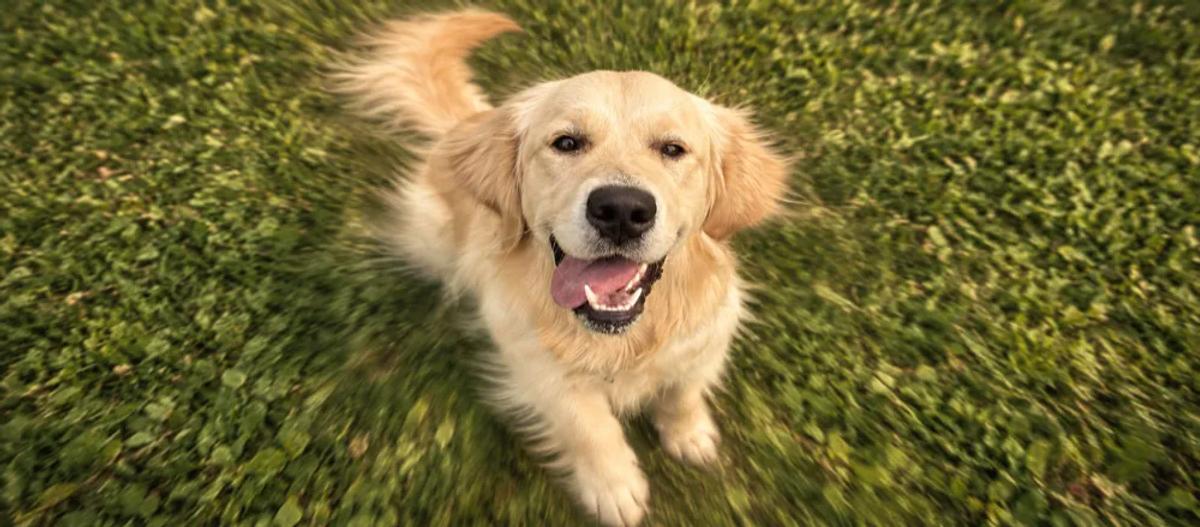
The Golden Retriever standard describes an active retriever with a dense coat and undercoat. Feathering appears around areas such as the tail and back of the legs. If you are comparing retrievers, the Labrador's short, dense coat is a useful physical distinction; our Labrador Retriever care guide explores that routine.
Appearance is only part of the household decision. Think about who can provide comfortable handling, opportunities to move and a place to rest. You can compare large dog care needs to see how those responsibilities fit the daily routine of the people who will share them.
A standard's temperament description is an ideal. It cannot tell you how a particular dog will respond to a visitor, a grooming tool or another unfamiliar experience. Learn from the dog in front of you and seek help when their response makes care difficult.
Make coat care comfortable
Checking the coat means looking at the skin beneath it as well as the hair you can see. Watch for matting, patches of fur loss, injuries or other abnormalities, and have concerns examined by a vet. Ask which tools and care interval fit your Golden's coat instead of choosing a schedule from appearance alone.
Begin handling practice before a long grooming task is needed. Let the dog investigate the brush, then introduce a small, manageable part of the process with a reward. You might practise a brief touch before expecting the dog to remain comfortable through several strokes. Keep it gradual.
Notice how your dog responds. Pulling away, freezing or lip licking during handling can signal stress. Pause and make the next step easier instead of trying to complete the whole task because the brush is already out.
If grooming is stressful, your vet, a veterinary behaviourist or a qualified trainer using humane methods can help you work out an approach. Tell them which part is difficult, such as seeing the tool or being touched in a particular area, so the conversation starts with an observation.
Bathing also needs to suit the dog. Unnecessary bathing can affect skin and coat health. The guide to grooming your dog at home explains comfortable preparation in more detail, while your vet can help with skin concerns or an individual care interval.
Keep the feeding plan individual
Use a complete and balanced food suited to life stage, health and activity. Measure the amount agreed with your vet and account for treats, including rewards used during grooming practice. If different family members offer food, make sure each knows how it fits into the same day's allowance.
A puppy needs an appropriate growth diet until skeletal maturity, which may come later in some large breeds. Avoid excessive calcium intake and discuss the transition to adult food rather than assuming that a birthday alone settles the question.
Weight deserves regular assessment alongside body condition. A 2019 US study of Golden Retrievers followed weight and orthopaedic outcomes and reported associations with neutering. It was observational, so its findings do not prove that a particular neutering decision caused an outcome or prescribe the right timing for your dog.
Bring those decisions to the veterinary team. For everyday feeding, the practical steps remain an individual body-condition assessment, suitable food and measured portions. A weight-loss plan needs to preserve nutritional adequacy, which is why simply making every meal smaller may not be appropriate.
Keep fresh water available. If appetite or energy changes unexpectedly, raise the concern promptly rather than waiting for the next planned feeding review.
Offer activity and learning
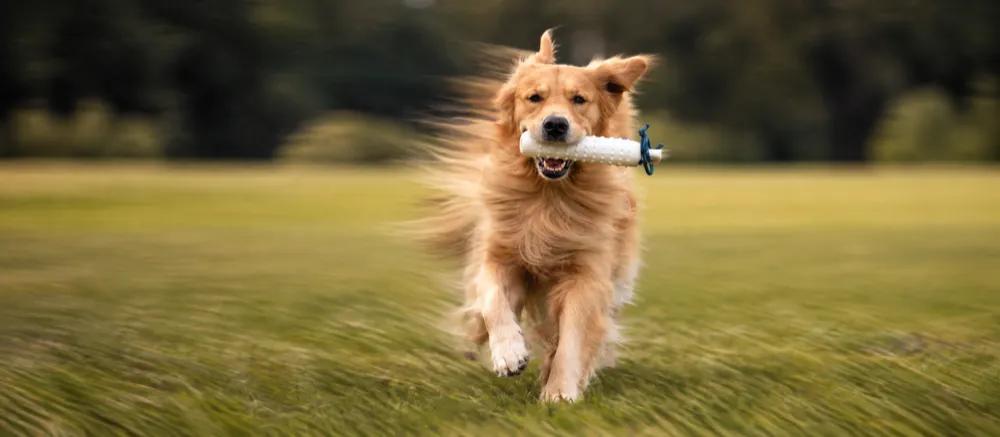
Provide opportunities to move, sniff and explore within your dog's comfort. A walk can allow time to investigate scents, while supervised food-search activities at home offer another way to engage with the surroundings. Count food rewards within the feeding plan.
Reward-based practice can also be part of enrichment. Choose a manageable skill and reward the response you want, rather than escalating pressure when the dog has not understood. A study comparing dogs at different training schools found more stress-related behaviour in the aversive-training group. It was not a randomised trial and does not tell you how quickly your Golden will learn.
Use the guide to everyday dog exercise when considering how outings and home activities fit together.
Check the weather as well as the calendar. Cooler conditions, shade and water help shape an outing; strenuous exercise should be avoided in heat or high humidity. A regular morning departure is a habit, not a guarantee about that day's conditions.
Discuss changes in movement early
Stiffness, a changed gait, difficulty getting up or reduced willingness to move can be signs of a mobility problem. Arrange a veterinary discussion about what you notice rather than deciding that the dog needs more exercise to become fitter.
The Golden Retriever cohort mentioned earlier offers population-level observations, not a forecast of injury for your dog. Your dog's examination and history are what guide the next care decision.
If osteoarthritis is identified, weight control and appropriately chosen low-impact activity may form part of the plan. The choice follows assessment. Ask what activities are suitable and which changes should prompt another call, rather than borrowing a routine from another pet parent.
PetLife can keep weight logs and veterinary visit history available for that conversation. For example, an earlier weight entry gives you a record to discuss when asking whether the feeding plan needs review. It doesn't tell you why a dog is stiff.
Raise new concerns promptly. A routine appointment date should not delay getting advice when your dog seems unwell or behaves unexpectedly.
Frequently asked questions
What should I know about Golden Retriever temperament?
The breed standard describes an ideal temperament, which does not guarantee how an individual Golden Retriever will behave with people or during care. Observe your dog, introduce handling gradually with rewards and let a fearful dog retreat instead of forcing contact. If fear or handling difficulties persist, ask your vet or a qualified humane trainer for help with the specific situation.
Plan the next care discussion
Choose the part of the routine that currently needs help. If brushing has become difficult, explain what happens when the tool appears and what changes when you begin touching the coat. If movement has changed, describe the activity and when you first noticed the difference.
Nuzzy's PetMap can help you explore nearby veterinary and grooming options. Contact the provider directly to confirm the service you need and whether they can help with the particular task. That conversation is a useful way to plan support for the Golden Retriever you care for today.
Sources
AAHA. Age-specific and breed-specific diets. Nutrition and Weight Management Guidelines, 2021.
Cornell University College of Veterinary Medicine. Osteoarthritis. Updated December 2025.
Aly Cohen. Grooming: cooperative care. Cornell Riney Canine Health Center, February 2026.
Cornell University College of Veterinary Medicine. Fearful dogs.
AAHA. Changing behaviors. Canine and Feline Behavior Management Guidelines, 2015.
WSAVA. Principles of Wellness. 2025 document.
Cornell University College of Veterinary Medicine. Summer heat safety tips for dogs.
Aly Cohen. Canine enrichment ideas. Cornell Riney Canine Health Center, July 2023.
American Kennel Club. Official standard for the Labrador Retriever. Approved 1994.
American Kennel Club. Official standard for the Golden Retriever. Approved 1981; reformatted 1990.